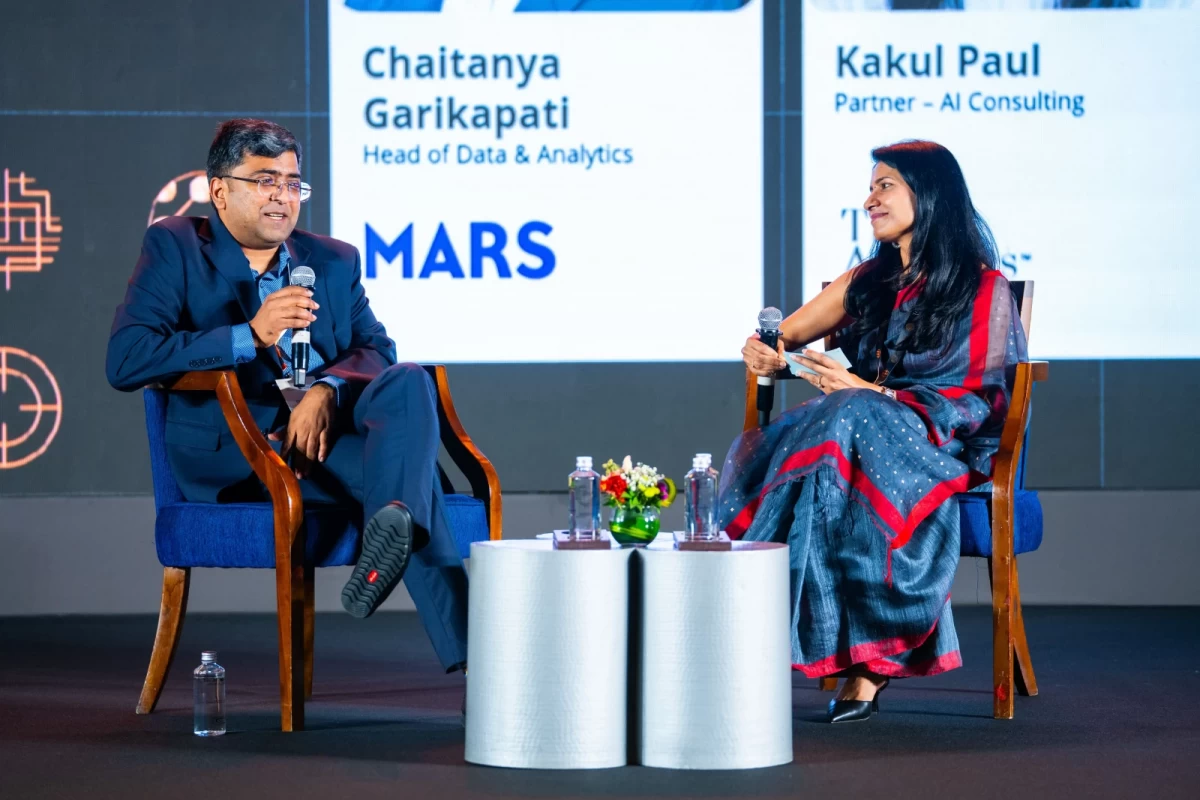


A company's growth depends not only on business strategies but also on the strength of its leadership team. Senior managers and business leaders are responsible for making important decisions, guiding employees and ensuring that organisational goals are achieved. However, busy schedules, daily responsibilities and continuous meetings often leave little time for meaningful discussions and long-term planning.
This is where a Leadership Retreat becomes valuable. It gives senior management teams an opportunity to step away from their regular work environment, exchange ideas, discuss business priorities and strengthen professional relationships.
A well-planned retreat can improve communication, encourage innovative thinking and help leaders develop a shared vision for the company's future. Whether you are organising a one-day leadership meeting or a multi-day corporate getaway, proper planning is essential to make the experience productive and engaging.
In this guide, we will explore how to plan a successful leadership retreat for senior management teams and create an experience that delivers lasting business value.
Why Are Leadership Retreats Important for Senior Management Teams?
Leadership retreats offer more than a change of surroundings. They create dedicated time for senior professionals to focus on important business matters without the usual workplace distractions.
Here are some key benefits:
1. Better Strategic Planning: Retreats allow leadership teams to review business performance, discuss future opportunities and establish clear organisational priorities.
2. Stronger Team Relationships: Informal conversations and collaborative activities help senior managers understand one another's working styles and build professional trust.
3. Improved Communication: A retreat encourages open discussions where leaders can share feedback, address challenges and work towards common solutions.
4. Fresh Perspectives and Innovation: A new environment can inspire creative thinking and help management teams explore different approaches to business challenges.
5. Clearer Leadership Goals: Teams can use the retreat to define responsibilities, align expectations and establish measurable objectives for the coming months.
Step-by-Step Guide to Planning a Successful Leadership Retreat
Organising a leadership retreat requires a balance between business discussions, meaningful interactions and engaging experiences. The following steps can help you plan an effective event.
1. Define the Purpose and Objectives
Start by identifying what your organisation wants to achieve through the retreat. Having clear objectives will help determine the event format, activities, venue and overall schedule.
For example, your leadership retreat may focus on:
-
Developing the company's long-term business strategy.
-
Improving communication between department heads.
-
Reviewing annual performance and setting future targets.
-
Discussing organisational changes and business challenges.
-
Encouraging innovation and collaborative decision-making.
-
Building stronger relationships among senior leaders.
Avoid trying to cover too many topics in a limited time. Prioritise the most important objectives so participants can engage in meaningful discussions and work towards practical outcomes.
2. Choose the Right Destination and Venue

The destination plays an important role in creating the right atmosphere for a leadership retreat. Choose a location that offers privacy, comfort and facilities suitable for professional discussions.
Some popular options include:
-
Luxury Resorts: Ideal for combining executive meetings, relaxation and premium hospitality.
-
Mountain Retreats: Destinations such as Manali, Mussoorie and Shimla provide a peaceful setting away from busy city environments.
-
Beachside Properties: Goa and other coastal destinations are suitable for leadership gatherings that combine business sessions with recreational experiences.
-
Business Hotels: A convenient option for short retreats, strategic meetings and structured leadership workshops.
When selecting a venue, consider meeting rooms, accommodation, dining facilities, audio-visual equipment, accessibility and recreational spaces.
The venue should support both focused business sessions and informal networking opportunities.
3. Prepare a Well-Structured Retreat Agenda
A clear agenda ensures that every activity contributes to the retreat's objectives. Senior management teams generally have limited time, so every session should have a defined purpose.
A balanced agenda can include:
-
Welcome session and introduction.
-
Business performance review.
-
Strategic planning workshops.
-
Leadership discussions and brainstorming.
-
Team-building activities.
-
Networking and informal interactions.
-
Action planning and closing session.
Avoid filling every hour with presentations and meetings. Allow sufficient breaks and free time so participants can reflect, connect and exchange ideas naturally.
4. Include Interactive Leadership Workshops
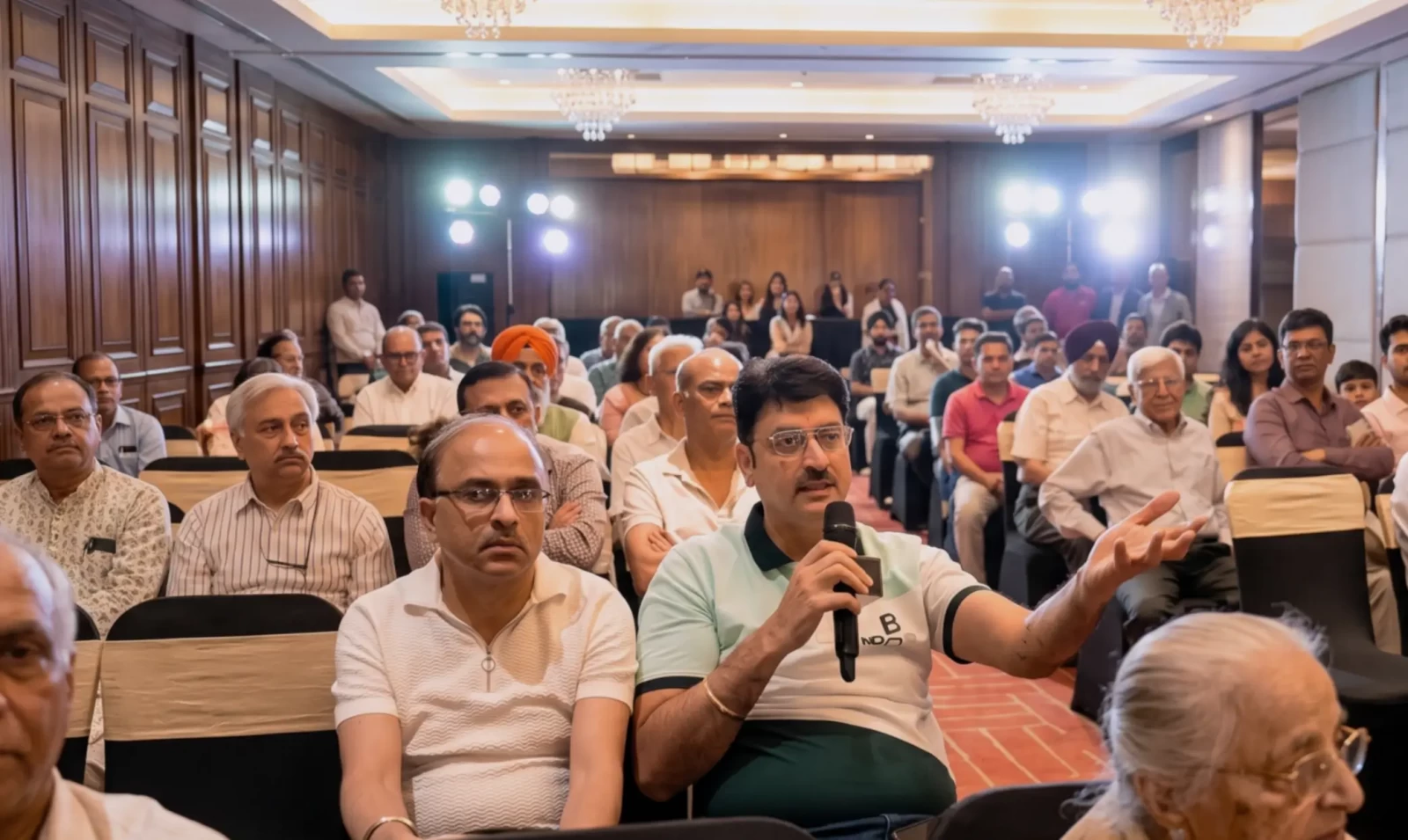
Leadership workshops make the retreat more engaging by encouraging participants to actively contribute rather than simply listen to presentations.
Consider including activities such as:
Strategic Vision Workshops: Help leaders discuss organisational priorities and create a shared vision for future growth.
Problem-Solving Sessions: Present real business challenges and encourage teams to develop practical solutions.
Leadership Communication Exercises: Activities focused on listening, feedback and decision-making can improve communication between senior managers.
Innovation Brainstorming: Give participants an opportunity to explore new ideas, business opportunities and creative approaches.
Professional facilitators can help structure these sessions and ensure that discussions remain focused on the desired outcomes.
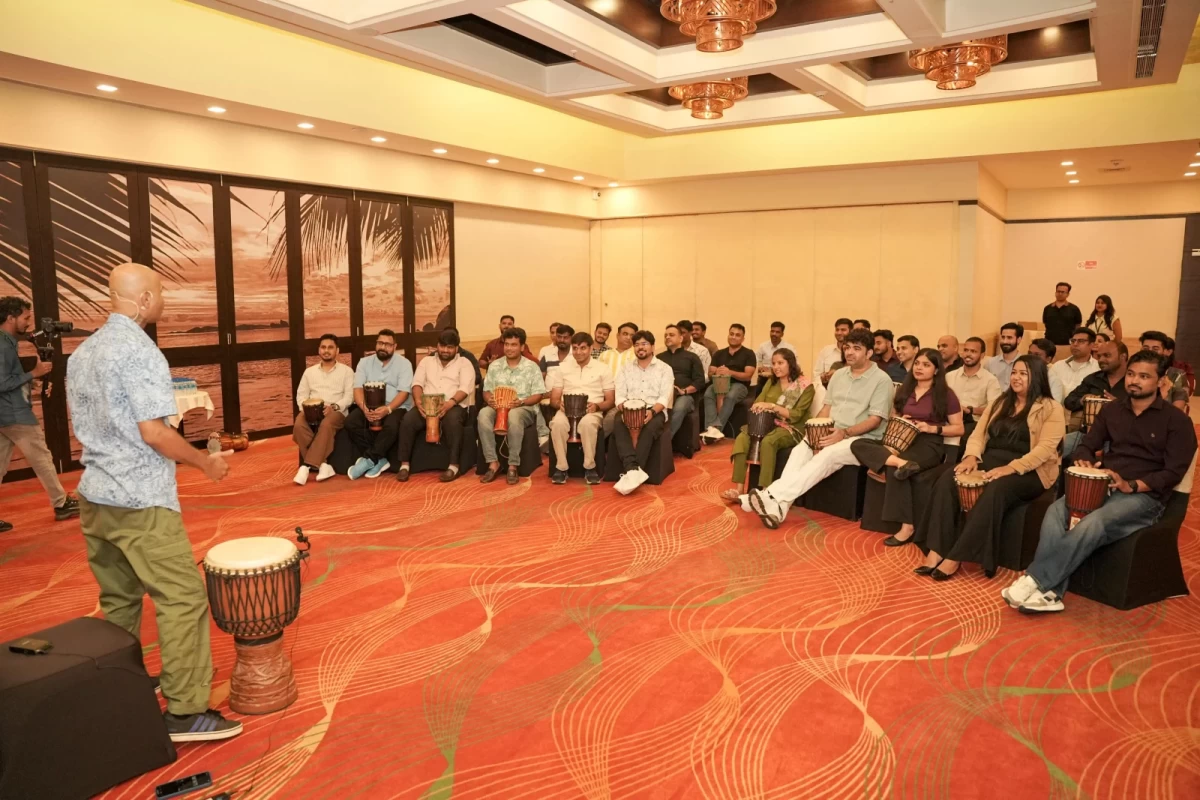
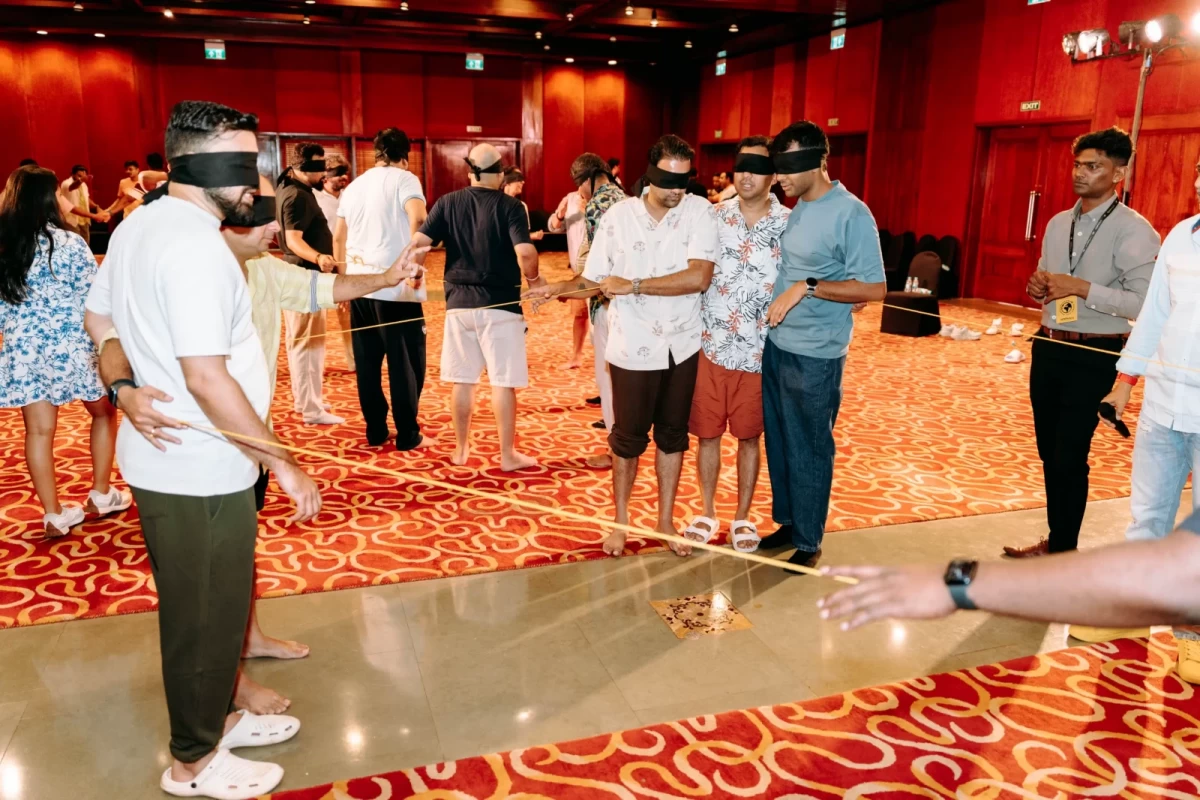
5. Plan Meaningful Team-Building Activities
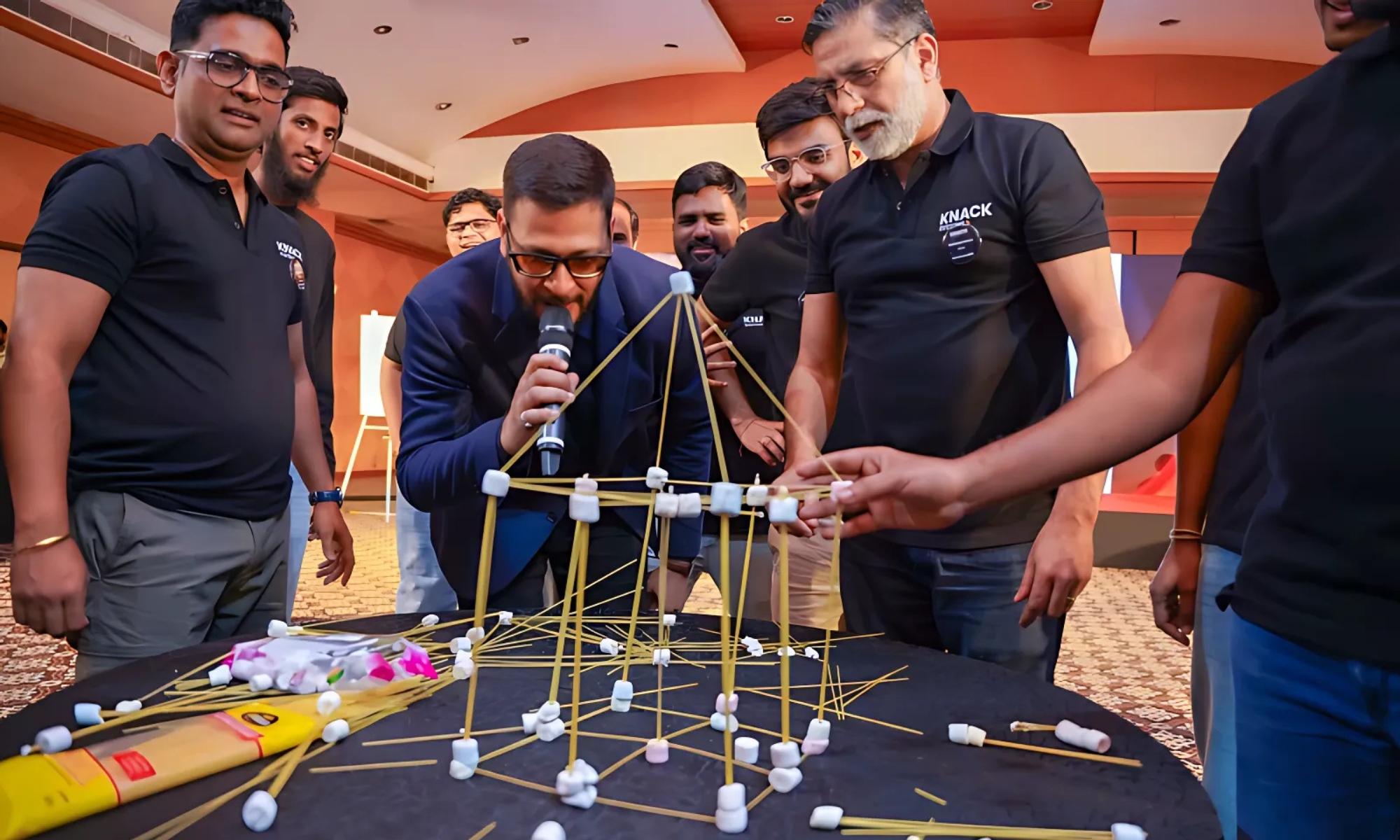
Team-building activities are not limited to employees at junior or middle-management levels. Senior leaders can also benefit from experiences that encourage collaboration, trust and communication.
Choose activities that are enjoyable while supporting professional development.
Some suitable options include:
-
Collaborative problem-solving challenges.
-
Outdoor adventure activities.
-
Leadership-based simulation games.
-
Treasure hunts with strategic tasks.
-
Creative group challenges.
-
Team cooking or experiential workshops.
The objective should not be competition alone. Activities should encourage leaders to understand different perspectives, share responsibilities and work together towards common goals.
6. Balance Professional Sessions with Relaxation

A successful leadership retreat should offer a refreshing experience alongside its business objectives. Continuous meetings can make participants tired and reduce engagement.
Include opportunities for relaxation and informal networking, such as:
-
Wellness and spa sessions.
-
Outdoor dining experiences.
-
Nature walks and sightseeing.
-
Curated entertainment.
-
Networking dinners.
-
Recreational activities at the venue.
These experiences help create a comfortable environment where senior professionals can connect beyond their regular workplace responsibilities.
7. Focus on Hospitality and Event Experience

Hospitality is an important part of any executive gathering. Small details can significantly influence how participants experience the retreat.
Pay attention to:
-
Comfortable accommodation and smooth check-ins.
-
Well-planned meals and refreshments.
-
Professional event registration and guest management.
-
Meeting room arrangements.
-
Audio-visual and presentation requirements.
-
Transportation and on-ground coordination.
-
Personalised welcome experiences.
For larger management retreats, working with an experienced Corporate Event Management partner can help coordinate multiple arrangements and ensure a smooth experience.
8. Establish Clear Outcomes and Follow-Up Plans
A leadership retreat should produce more than good conversations and memorable experiences. It should lead to meaningful actions.
Before concluding the retreat, review the key discussions and document important decisions.
Create a follow-up plan that includes:
-
Major decisions taken during the retreat.
-
Business priorities and agreed targets.
-
Responsibilities assigned to individual leaders.
-
Expected completion timelines.
-
Follow-up meetings and progress reviews.
This helps translate the ideas discussed during the retreat into practical business improvements.
Sample Two-Day Leadership Retreat Schedule
A two-day format provides enough time for strategic discussions, interactive sessions and relationship-building activities.
| Day | Session | Activities |
| Day 1 – Morning | Welcome and Introduction | Registration, welcome address and retreat objectives |
| Day 1 – Late Morning | Business Review | Performance discussions and strategic priorities |
| Day 1 – Afternoon | Leadership Workshop | Problem-solving and brainstorming sessions |
| Day 1 – Evening | Team Building | Collaborative challenges and networking |
| Day 1 – Night | Team Building | Networking dinner and informal interactions |
| Day 2 – Morning | Strategy Planning | Future goals, innovation and leadership discussions |
| Day 2 – Afternoon | Action Planning | Key decisions, responsibilities and next steps |
| Day 2 – Closing | Wrap-Up | Feedback, closing remarks and departure |
The schedule can be customised according to the number of participants, business objectives and retreat destination.
Common Mistakes to Avoid When Planning a Leadership Retreat
Even a well-funded retreat can fall short if important planning details are overlooked.
Here are some common mistakes to avoid:
Unclear Objectives: Without specific goals, discussions may become unstructured and fail to deliver meaningful outcomes.
Overloaded Schedules: Too many meetings and activities can reduce participant engagement. Maintain a balance between work sessions and relaxation.
Wrong Venue Selection: A venue without suitable meeting facilities, privacy or comfortable accommodation can affect the overall experience.
Ignoring Participant Preferences: Consider the interests, schedules and expectations of senior management when planning the retreat.
Poor Event Coordination: Delays, transportation issues and technical problems can disrupt the schedule. Ensure that every arrangement is properly managed.
No Follow-Up Strategy: Without documented decisions and action plans, valuable discussions may not translate into business results.
How SOS Party Helps Organise Successful Leadership Retreats
Planning a leadership retreat involves several moving parts, from selecting the right destination and arranging accommodation to managing business sessions, activities and hospitality. Coordinating everything internally can become challenging, particularly when senior management teams have demanding schedules.
SOS Party helps organisations create professionally managed corporate experiences through customised event planning, Corporate Offsite Management, team-building activities and event production.
Whether a company is planning an executive leadership retreat, a strategic management gathering or a multi-day corporate offsite, SOS Party focuses on creating experiences that combine business objectives with meaningful team interactions.
From destination planning and venue coordination to engaging activities, event production and on-ground execution, the team helps manage the important details so organisations can focus on their people and business goals.
With experience in corporate events and offsites, SOS Party aims to deliver well-coordinated experiences that encourage collaboration, strengthen professional relationships and make corporate gatherings more meaningful.
Conclusion
A well-planned leadership retreat can give senior management teams the time and environment they need to reflect, collaborate and prepare for future business challenges. From defining clear objectives and selecting the right destination to organising interactive workshops and meaningful team-building experiences, every element contributes to the success of the retreat.
The key is to create an experience that balances productive business discussions with opportunities for connection and fresh thinking.
With thoughtful planning and the right event management partner, organisations can turn a leadership retreat into a valuable investment in stronger leadership, better collaboration and long-term business growth.
Planning a leadership retreat for your senior management team? Connect with SOS Party to create a customised corporate experience that brings your business goals and people together.










 Tailored for teams
 Hassle free booking
 Dedicated event planner