


Planning a corporate offsite for 100 employees is about more than booking a hotel and arranging a few team activities. It requires thoughtful coordination, a clear purpose, the right venue, smooth logistics, and experiences that help people connect beyond their everyday work environment. Whether you're organising an annual company retreat, a leadership gathering, a sales kick-off, or a team-building event, a well-planned offsite can create space for collaboration, fresh ideas, and stronger working relationships.
But with 100 employees to accommodate, even small planning decisions can have a significant impact on the overall experience. From choosing the destination to managing accommodation, transportation, meals, activities, and event schedules, every element needs to work together.
In this guide, we'll walk through how to plan a successful corporate offsite for 100 employees, the key decisions to make, common mistakes to avoid, and how SOS Party can help bring your event vision to life.
1. Define the Purpose of Your Corporate Offsite

Before comparing destinations or venues, establish what your company wants to achieve.
A corporate offsite without a clear objective can quickly become a collection of meetings and activities without a shared direction. A defined purpose helps you make better decisions about the agenda, venue, budget, and experiences.
Common corporate offsite objectives include:
-
Team building: Strengthen communication, collaboration, and relationships across departments.
-
Leadership alignment: Bring decision-makers together to discuss priorities, strategy, and future plans.
-
Sales kick-off: Communicate business targets, introduce initiatives, and motivate sales teams.
-
Employee recognition: Celebrate achievements and create opportunities for employees to connect.
-
Company culture: Help employees understand shared values and build connections across teams.
For example, a leadership retreat may require quiet meeting spaces and a focused agenda, while an employee engagement offsite may benefit from collaborative activities, informal dining, and dedicated downtime.
Start by identifying two or three outcomes you want employees to take away from the experience. Use those outcomes to guide every major planning decision.
2. Set a Realistic Budget for 100 Employees
Your budget will influence the destination, venue, length of stay, accommodation standard, activities, and overall event format.
For a group of 100 employees, it is important to look at the complete programme cost rather than comparing hotel room rates alone.
What should your corporate offsite budget include?
| Budget category | What to account for |
| Travel | Flights or other transport, transfers, baggage, and local travel |
| Accommodation | Room rates, room-sharing arrangements, taxes, and service charges |
| Food and beverages | Breakfast, lunches, dinners, refreshments, and special dietary needs |
| Meeting facilities | Meeting-room hire, audiovisual equipment, internet, and presentation support |
| Team-building activities | Facilitators, activity materials, equipment, and activity-related transport |
| Event production | Stage, lighting, sound, décor, branding, and entertainment |
| Event coordination | Planning, supplier coordination, on-site management, and logistics |
| Contingency | A reserve for unexpected costs or last-minute changes |
The final cost depends on the destination, travel dates, length of stay, accommodation category, and programme complexity. There is no single budget that works for every group of 100 employees.
How to control your offsite budget
-
Establish a per-person budget before shortlisting destinations.
-
Compare itemised proposals from venues and suppliers.
-
Ask what is included in each package and what costs extra.
-
Review cancellation policies and payment schedules.
-
Prioritise experiences that directly support the event objectives.
-
Keep a contingency allowance for unexpected expenses.
A clear budget early in the process helps prevent expensive changes later.

3. Choose the Right Destination
The destination shapes the atmosphere of your offsite and influences travel time, cost, activities, and accommodation options.
For a group of 100 employees, consider destinations with suitable transport connections, sufficient accommodation, appropriate meeting facilities, and activities that match your objectives.
Beach destinations
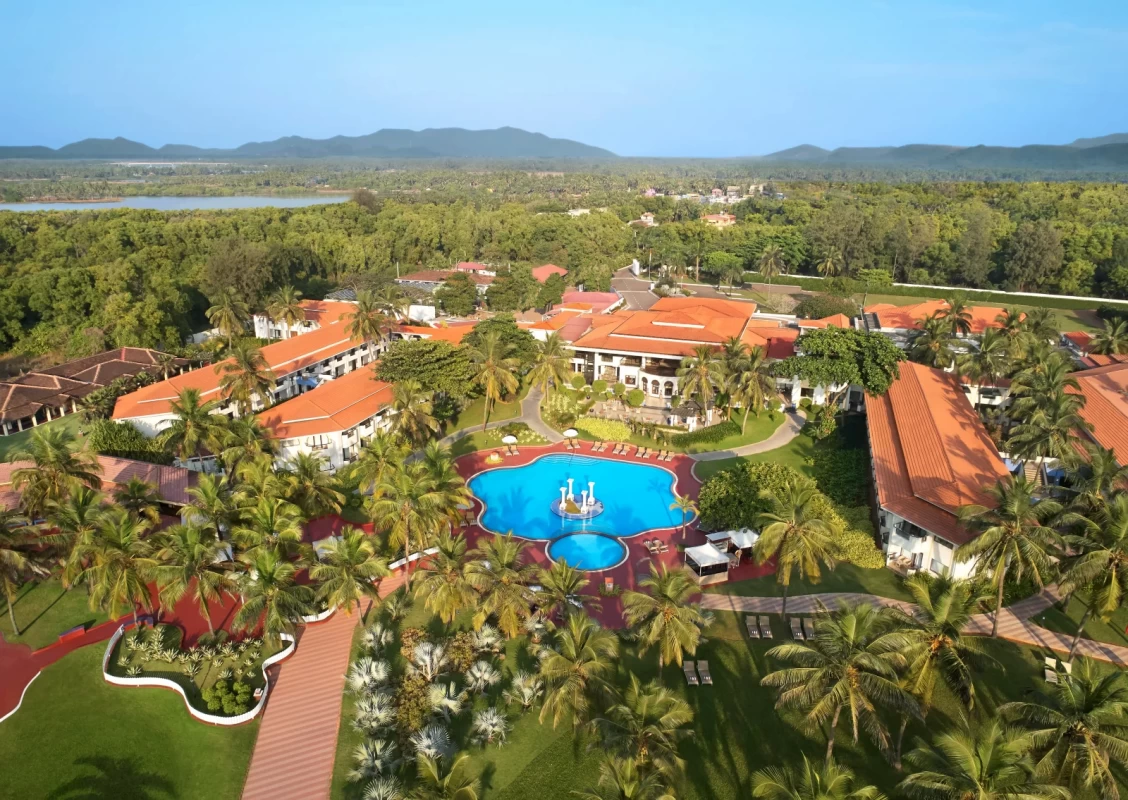
Destinations such as Goa can work well for companies seeking a relaxed environment with opportunities for Outdoor Activities, resort stays, and team celebrations. Weather, venue location, and the suitability of outdoor activities should be considered during planning.
Heritage and cultural destinations
Udaipur can be worth considering for corporate retreats that combine meetings with heritage-inspired surroundings, cultural experiences, and formal corporate gatherings.
Mountain and nature destinations
Hill destinations can provide a change of scenery and opportunities for nature-based experiences. However, travel times, weather, road access, and the availability of indoor facilities require careful assessment.
How to choose between destinations
Compare each destination against the same criteria:
-
Travel convenience for employees joining from different cities
-
Accommodation capacity for your dates
-
Meeting and event facilities
-
Suitability of team-building activities
-
Expected total cost
-
Weather and seasonal considerations
-
Access to medical support and other essential services
The best destination is not necessarily the most popular one. It is the destination that meets your team's needs while supporting the purpose of the offsite.
4. Select a Venue That Can Handle 100 Employees Comfortably

Venue selection is one of the most important parts of corporate offsite planning.
A property may look impressive online but still be unsuitable for your event if it cannot accommodate your group comfortably or provide the facilities you need.
What to check before booking?
Accommodation capacity: Confirm that enough rooms are available for your dates. Decide whether employees will share rooms or require individual accommodation.
Meeting facilities: Check seating capacity, room layouts, audiovisual equipment, internet connectivity, and breakout spaces.
Dining arrangements: Make sure the venue can accommodate the group during meal periods and cater to relevant dietary requirements.
Team activity spaces: Review whether the property has suitable indoor or outdoor spaces for workshops, games, and group experiences.
Accessibility: Consider mobility requirements, accessible rooms, lifts, and practical access to meeting and dining areas.
Transport: Check travel time from the airport or railway station and between the venue and any off-site activities.
Backup facilities: If your itinerary includes outdoor sessions, ask about indoor alternatives in case of unsuitable weather.
Before signing a contract, request a site inspection or a detailed virtual walkthrough and confirm the event arrangements in writing.
5. Design an Agenda That Balances Work and Team Building

A successful corporate offsite should have a clear rhythm. Too many meetings can leave employees exhausted, while an itinerary filled entirely with leisure activities may not achieve the intended business outcomes.
The right balance depends on whether your offsite is focused on strategy, employee engagement, sales, or recognition.
Sample two-day corporate offsite agenda
The following is an illustrative schedule for a group of 100 employees. Timings should be adapted to the destination, venue, and event objectives.
| Time | Day 1 | Day 2 |
| 9:00 AM | Arrival and welcome refreshments | Breakfast and networking |
| 10:00 AM | Leadership address and business priorities | Strategy workshops |
| 11:30 AM | Departmental sessions | Group presentations |
| 1:00 PM | Lunch | Lunch |
| 2:00 PM | Facilitated team-building activity | Collaborative problem-solving session |
| 4:00 PM | Refreshment break and downtime | Closing discussion and feedback |
| 7:00 PM | Group dinner and networking | Departure arrangements |
For an overnight offsite, an evening celebration or recognition programme can be added if it supports the event's purpose and budget.
Allow time for breaks, transitions, and informal conversations. A realistic agenda is easier to execute and more comfortable for attendees.
6. Choose Team-Building Activities That Include Everyone

For a group of 100 employees, activity design requires more thought than simply selecting a popular game.
Activities should be easy to understand, suitable for the participants, and connected to the outcomes you want to achieve.
Corporate team-building ideas for a group of 100
Collaborative problem-solving challenges
Divide employees into smaller teams and give them a shared challenge that requires communication, planning, and decision-making.
Creative workshops
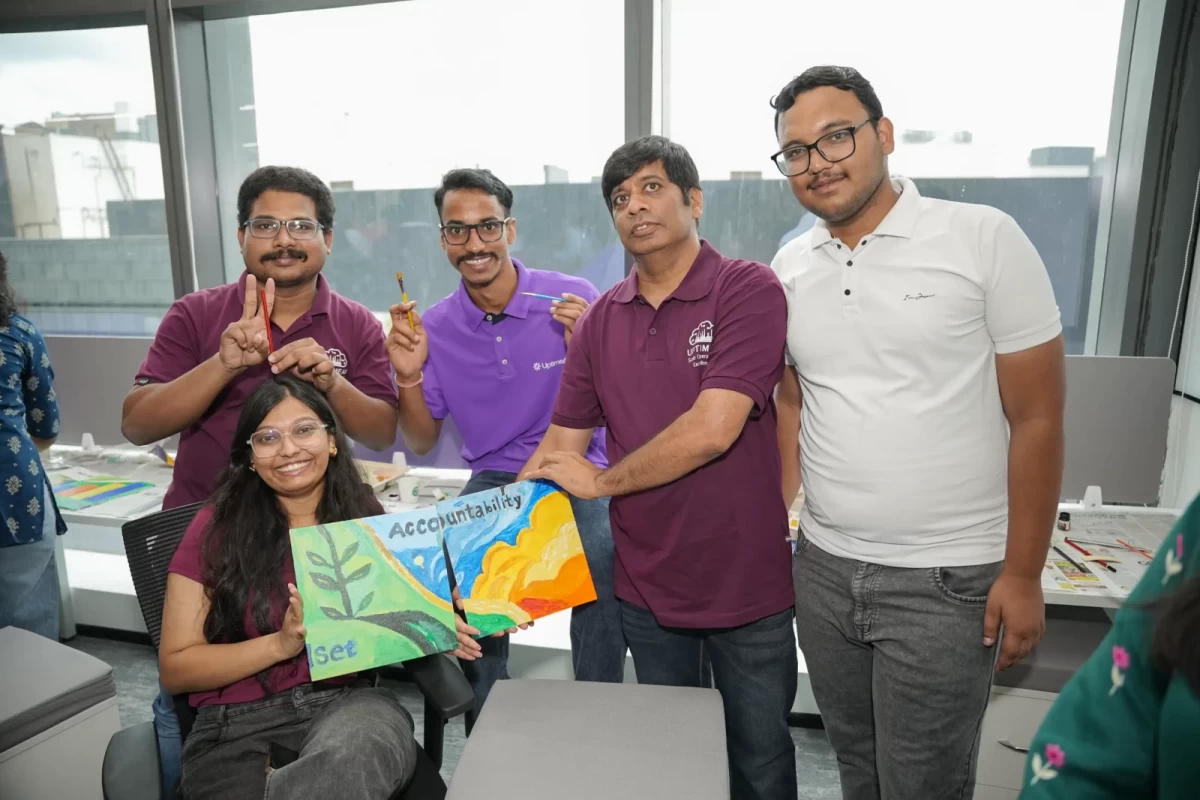
Cooking, art, music, or other Creative Sessions can encourage employees from different departments to interact in a new setting.
Destination-based challenges
Organise a structured scavenger hunt or team discovery activity, subject to location suitability, accessibility, and safety requirements.
Team innovation exercises
Ask groups to develop ideas or solutions around a fictional business challenge or a relevant company theme.
Recognition and celebration experiences
Create opportunities to acknowledge contributions, celebrate milestones, and encourage informal interaction.
How to organise activities for 100 people
-
Divide participants into manageable groups.
-
Explain the rules and objectives before activities begin.
-
Assign facilitators or coordinators where needed.
-
Provide accessible alternatives for different participant needs.
-
Plan transitions between activities and venues.
-
Include safety briefings and suitable supervision for physical activities.
The aim is to create meaningful participation, not simply fill the schedule.
7. Plan Travel, Accommodation, and On-Ground Logistics

Moving 100 employees between locations requires clear communication and coordinated logistics.
Start by gathering the information needed to plan the trip, including employees' departure cities, arrival times, dietary requirements, room preferences, and relevant accessibility needs.
Essential logistics to organise
Travel coordination: Group employees by arrival time or departure location where practical. Allow for delays and confirm transfer arrangements.
Room allocation: Create a rooming list, confirm check-in and check-out times, and communicate any room-sharing arrangements in advance.
Ground transportation: Plan transfers between the airport, accommodation, meeting venues, and activities. Include buffer time for group movement.
Meals and refreshments: Confirm meal timings, dietary requirements, and refreshment breaks with the venue.
Event communication: Share the itinerary, dress guidance, meeting points, contact details, and emergency instructions before departure.
On-site coordination: Assign clear responsibilities for registration, transfers, activity groups, venue communication, and last-minute changes.
A central event itinerary and a clear point of contact help attendees understand where they need to be and when.
8. Make the Experience Feel Personal and Well Planned
The best corporate offsites are designed around the people attending them.
For a group of 100, small details can have a meaningful impact on comfort and participation. These might include thoughtful welcome arrangements, clear signage, comfortable meeting spaces, relevant activities, and opportunities for employees to choose how they participate.
Consider adding company branding to selected event materials, creating a welcome message from leadership, or organising a recognition moment that reflects your team's achievements.
Avoid overloading the programme with entertainment simply because it is available. Prioritise experiences that fit your company's culture and the reason everyone has gathered.
A well-designed offsite should feel cohesive, with the destination, venue, activities, and agenda working together rather than competing for attention.
9. Measure the Success of Your Corporate Offsite
An offsite should deliver value beyond the time employees spend away from the office.
Before the event, decide how you will assess whether it achieved its purpose. The measures will differ depending on the type of programme.
For example:
-
Leadership retreat: Were key priorities agreed upon and documented?
-
Team-building offsite: Did employees report useful opportunities to collaborate?
-
Sales kick-off: Were targets, priorities, and next steps communicated clearly?
-
Employee engagement event: Did participants find the experience relevant and worthwhile?
After the offsite, collect feedback through a short survey or facilitated discussion. Review what worked well, where the schedule could improve, and which follow-up actions need owners and deadlines.
If the event involved strategic planning, document decisions and share the next steps with participants. This helps turn the offsite into a starting point for action rather than an isolated event.
10. Common Mistakes to Avoid When Planning a Corporate Offsite
Even a well-funded event can become difficult to manage when essential details are overlooked.
Booking a venue before defining the objectives: Start with the purpose of the event so the venue and activities serve a clear goal.
Underestimating travel time: Include realistic transfer times and buffer periods in the itinerary.
Overloading the schedule: Allow employees time to rest, connect informally, and move between sessions.
Ignoring different participant needs: Consider accessibility, dietary requirements, and alternative activity options.
Comparing only headline prices: Review the complete package, including taxes, transfers, meeting facilities, and additional charges.
Leaving communication until the last minute: Share the itinerary and essential information early enough for employees to prepare.
Failing to plan for contingencies: Prepare alternatives for weather disruptions, supplier issues, and schedule changes.
A practical checklist and clear ownership of responsibilities can reduce avoidable last-minute pressure.
How Can SOS Party Help Plan Your Corporate Offsite?
Planning an offsite for 100 employees involves multiple moving parts, from selecting the destination and venue to coordinating activities, travel, accommodation, dining, and the event schedule.
SOS Party plans and delivers luxury, impact-driven corporate offsites and events for companies across the globe. By building the programme around your business objectives and team requirements, the aim is to create an experience that feels coordinated, purposeful, and memorable.
Whether you're planning a leadership retreat, an annual company gathering, a sales kick-off, or a team-building programme, the first step is to define your requirements.
Consider sharing:
-
Your expected group size and preferred dates
-
Your departure cities and destination preferences
-
Your approximate budget
-
The purpose of the offsite
-
Your accommodation and meeting requirements
-
The activities or experiences you would like to include
With these details, you can begin exploring a suitable event format and the practical arrangements needed to deliver it.






 Tailored for teams
 Hassle free booking
 Dedicated event planner