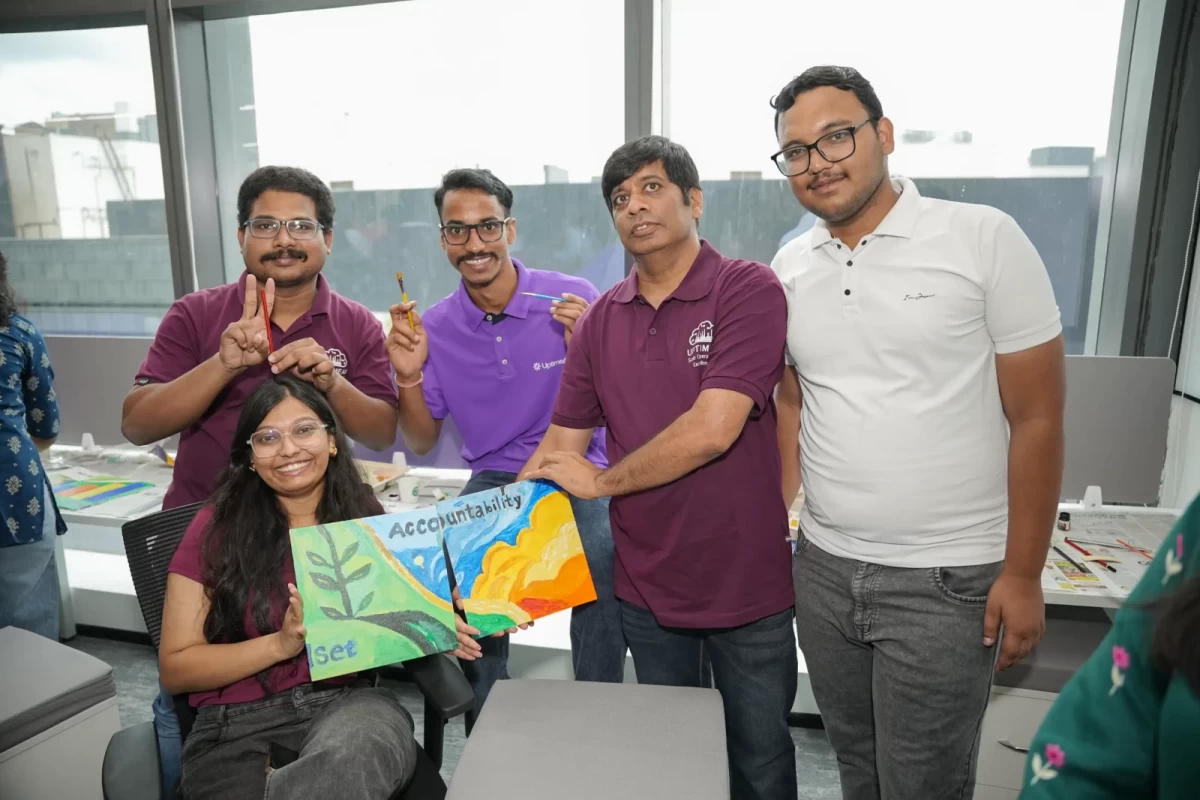


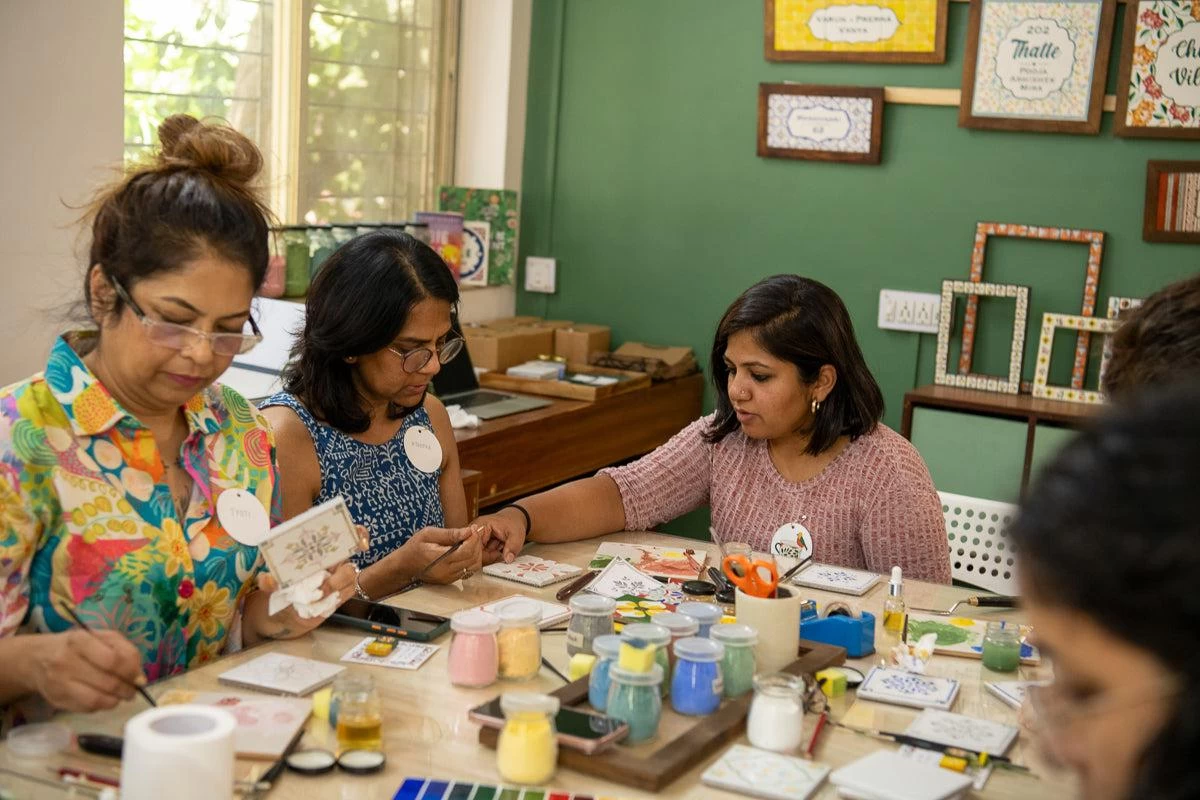
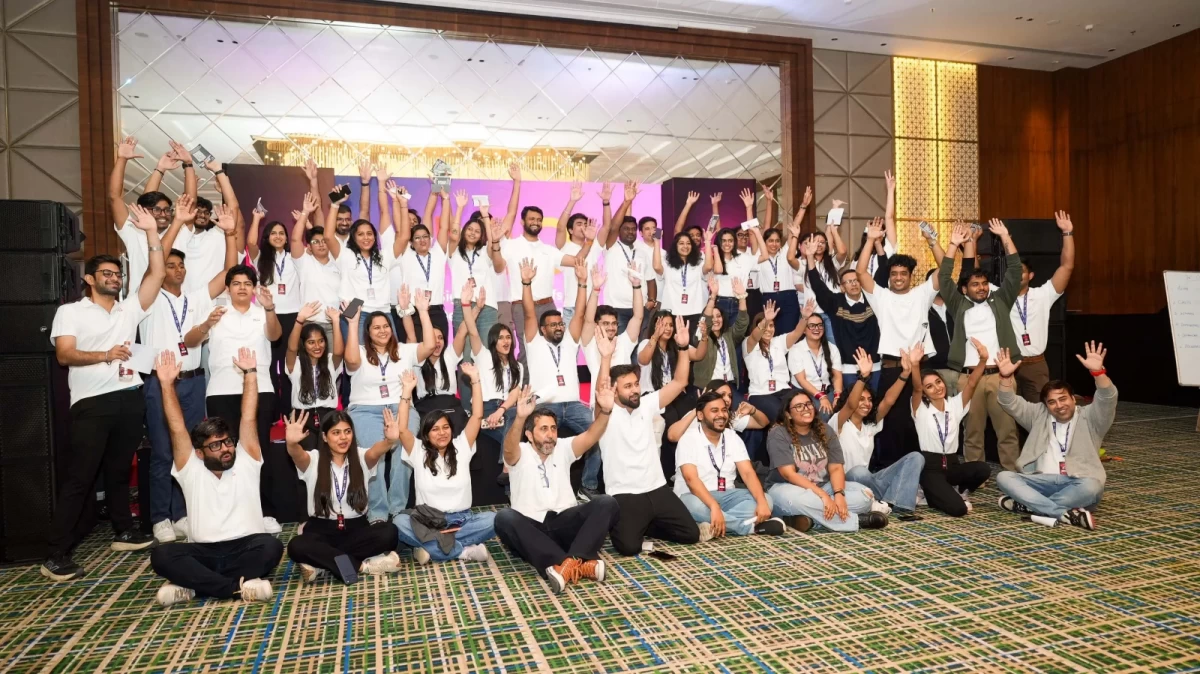
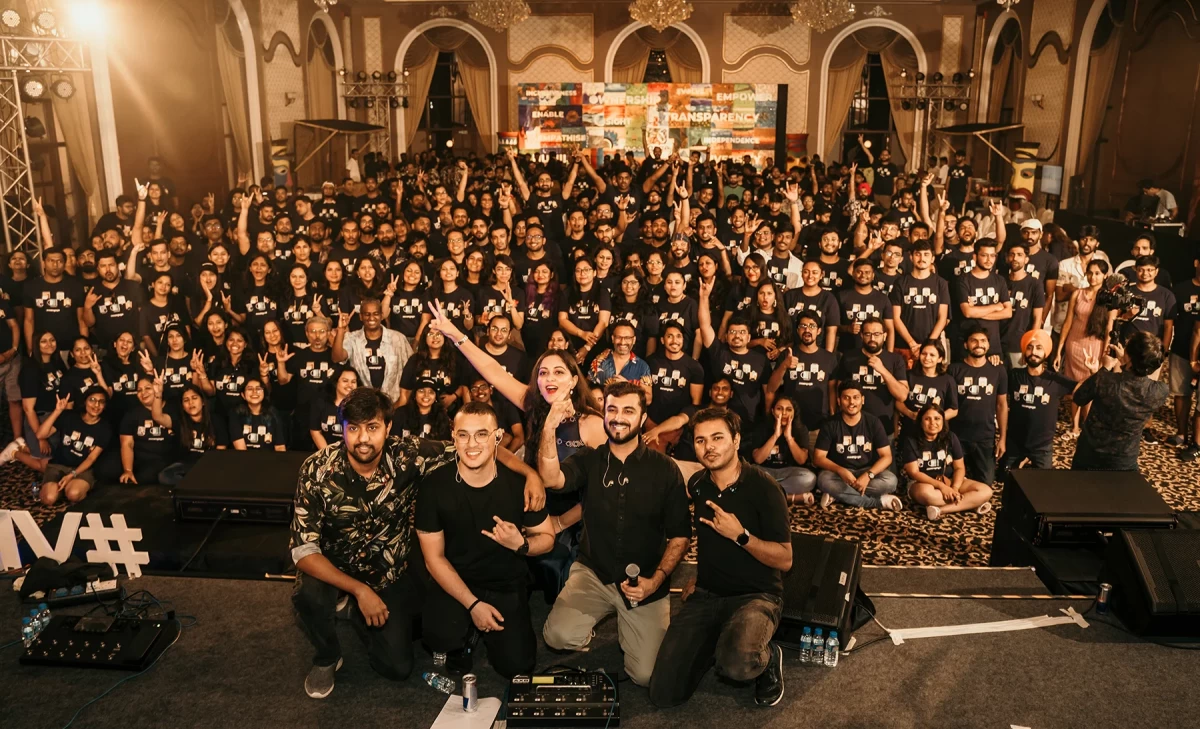
Corporate team-building events are a great way to bring employees together, improve communication, and encourage collaboration. From problem-solving challenges and outdoor adventures to creative workshops and interactive games, these activities help employees connect outside their usual work environment.
However, organising an enjoyable event is only the first step. Companies also need to understand whether the experience achieved its intended goals. Did employees participate actively? Did teams communicate more effectively? Did the event create opportunities for employees to build stronger relationships?
Measuring the success of a corporate team-building event helps businesses understand its value and make better decisions for future activities. With clear objectives, employee feedback, and the right performance indicators, companies can evaluate what worked well and where improvements are needed.
1. Set Clear Objectives Before the Event
The first step in measuring the success of a corporate team-building event is to define what the company wants to achieve. Without clear objectives, it becomes difficult to determine whether the event delivered meaningful results.
Different organisations may have different priorities. Some want to improve communication between departments, while others want to encourage creative thinking, develop leadership skills, or help new employees feel more comfortable with their colleagues.
Before planning the event, identify two or three primary goals.
For example:
-
Improve communication between team members.
-
Encourage collaboration between different departments.
-
Help employees build stronger workplace relationships.
-
Develop leadership and problem-solving skills.
-
Increase employee participation and engagement.
Once these objectives are established, the company can select suitable activities and identify the indicators that will help measure their effectiveness.
2. Measure Employee Participation and Engagement
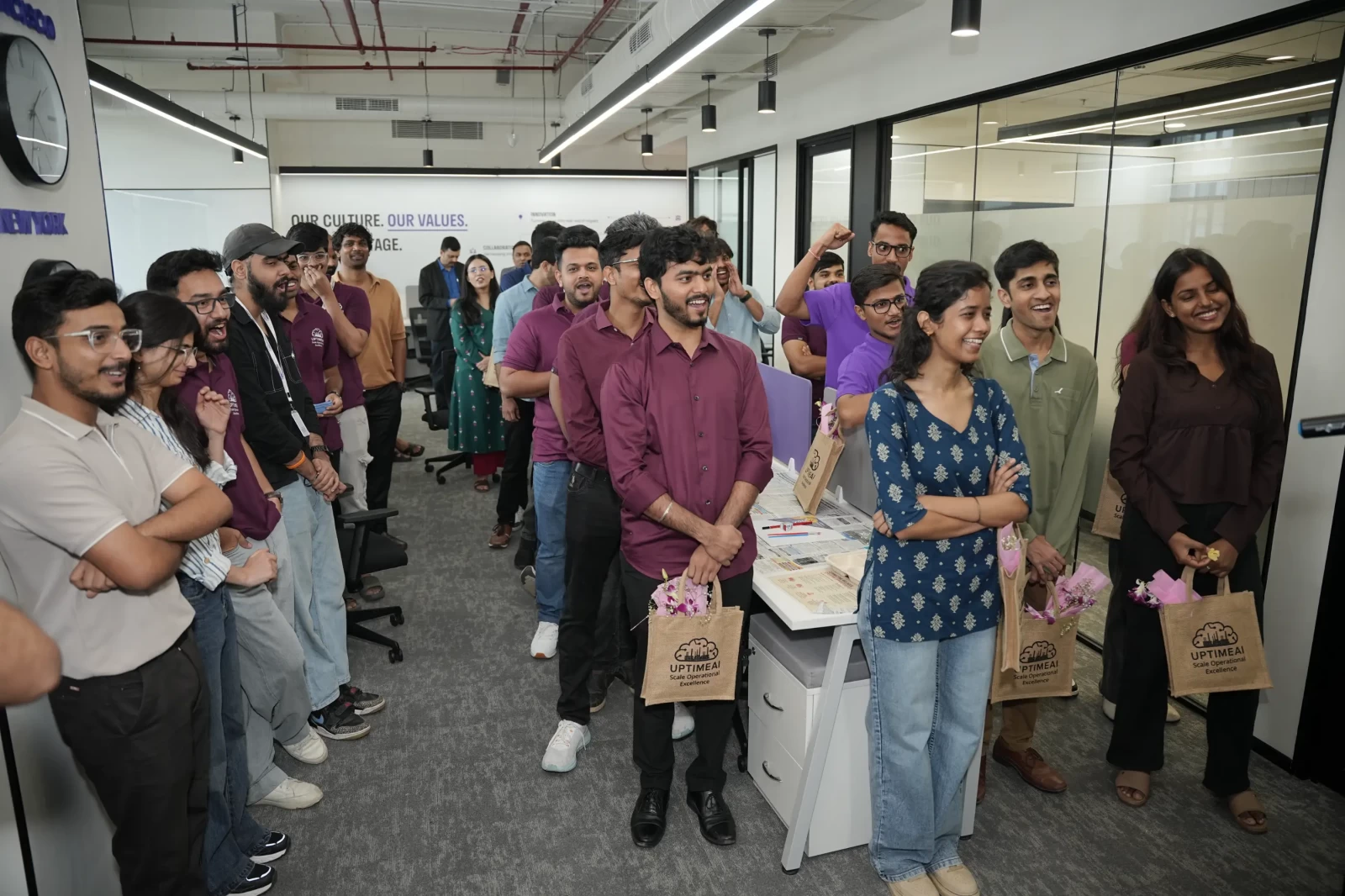
Employee participation is one of the simplest indicators of a successful team-building event. When employees actively participate in activities, interact with colleagues, and contribute to group challenges, it suggests that the event is creating opportunities for engagement.
However, attendance alone does not tell the complete story. An employee may attend an event without feeling involved in the activities.
Companies should consider tracking:
-
The percentage of invited employees who attended.
-
Participation rates across different activities.
-
The number of employees who actively contributed to team challenges.
-
Participation across departments and employee groups.
-
Feedback on whether activities felt inclusive and enjoyable.
For example, if 180 out of 200 invited employees attend an event, the attendance rate is 90%. Organisers can then examine activity participation and employee feedback to understand the quality of engagement.
These figures provide a useful starting point, but they should be interpreted alongside other indicators rather than treated as proof of improved teamwork.
3. Collect Employee Feedback After the Event
Employee feedback helps organisations understand how participants experienced the event. Activities that appear successful to organisers may not be equally enjoyable or useful for everyone.
A short post-event survey can reveal whether employees found the activities engaging, whether the event encouraged interaction, and what they would like to see in future programmes.
Consider asking questions such as:
-
How would you rate your overall experience?
-
Did the activities encourage you to interact with colleagues?
-
Did you have opportunities to contribute to your team?
-
Which activity did you find most valuable?
-
Did the event help you connect with employees from other departments?
-
What would you change about a future team-building event?
Use a rating scale, such as 1 to 5, for questions that require measurable responses. Include one or two open-ended questions to collect more detailed suggestions.
For example, if 80 out of 100 survey respondents rate the event 4 or 5 out of 5, then 80% of respondents gave it a positive rating. Remember to report the response rate as well, since the opinions of survey respondents may not represent every attendee.
4. Evaluate Communication and Team Collaboration
Improving teamwork is a common objective of corporate team-building activities. However, a fun afternoon does not automatically translate into better collaboration at work.
To understand whether the event contributed to this goal, establish a baseline before the event and follow up afterwards.
Look for changes in areas such as:
-
How effectively employees share information.
-
Whether team members listen to different perspectives.
-
How employees approach shared challenges.
-
Whether colleagues from different departments communicate more frequently.
-
How teams resolve disagreements and make decisions.
Managers can use short surveys, structured observations, and team discussions to identify potential improvements.
For example, an activity that requires employees from different departments to solve a challenge together may reveal communication barriers and encourage participants to consider alternative approaches.
A follow-up assessment several weeks later can help determine whether employees are applying these behaviours in their everyday work. Comparing feedback before and after the event provides a stronger indication of progress than relying on immediate reactions alone.
5. Assess Employee Connections and Team Relationships

Another important outcome of a corporate team-building event is the opportunity for employees to build relationships beyond their usual work groups.
This can be particularly valuable for organisations with multiple departments, new employees, distributed teams, or recently merged business units.
To assess this outcome, companies can ask employees whether the event helped them:
-
Get to know colleagues they rarely interact with.
-
Feel more comfortable approaching other team members.
-
Understand different working styles and perspectives.
-
Build connections across departments.
-
Feel more included in the organisation.
Managers may also look for examples of employees initiating cross-department conversations or collaborating with colleagues they previously knew less well.
These observations should be treated as useful signals rather than definitive proof that an event has improved workplace relationships.
6. Track Participation Costs and Overall Value
Companies also need to understand whether their investment in a team-building event was appropriate for its objectives and budget.
Calculating the cost per participant is a useful starting point.
Cost per participant = Total event cost ÷ Number of attendees
For example, if a company spends ₹3,00,000 on an event attended by 150 employees, the cost per participant is ₹2,000.
The total event cost may include venue rental, transportation, food, activity materials, entertainment, event production, and professional event management.
However, cost alone does not determine success. A lower-cost event may not meet the company's objectives, while a more elaborate experience may be justified when it serves a specific business purpose.
Compare the actual expenditure with the approved budget and evaluate the results against the original objectives. This helps organisations make informed decisions about future team-building programmes.
7. Monitor Outcomes After the Event
Some benefits of team-building activities may take time to become visible. Employees may enjoy an event immediately, but meaningful changes in communication, collaboration, and workplace relationships require ongoing effort.
A follow-up assessment two to six weeks after the event can help organisations evaluate whether the experience had a lasting influence.
Depending on the event's objectives, companies can monitor:
-
Employee feedback on team communication.
-
Participation in collaborative projects.
-
Cross-department interaction.
-
Manager observations about teamwork.
-
Employee suggestions for future engagement activities.
If the event focused on leadership or problem-solving, managers can also discuss whether employees are applying the relevant skills in their daily responsibilities.
Avoid attributing every improvement to the event alone. Changes in management practices, workload, staffing, and team structure may also influence the results.
The purpose of follow-up measurement is to identify useful patterns and understand where further support may be needed.
8. Use the Results to Improve Future Events
Measuring success is most valuable when companies use the findings to improve future experiences.
Review the original objectives, attendance figures, employee feedback, event expenditure, and follow-up observations. Identify which activities were well received and which did not deliver the intended experience.
For example, if employees enjoyed collaborative problem-solving challenges but found lengthy presentations less engaging, the next event could include more interactive sessions.
Similarly, if employees reported limited opportunities to connect across departments, organisers could introduce mixed-team activities or structured networking sessions.
Documenting these findings creates a useful reference for future planning and helps businesses select experiences that better match their employees' needs.
How SOS Party Helps Companies Create Meaningful Team-Building Experiences
Planning a successful Corporate Team Building Event involves more than choosing games or booking a venue. Companies need experiences that match their objectives, suit their workforce, encourage participation, and fit within their budget.
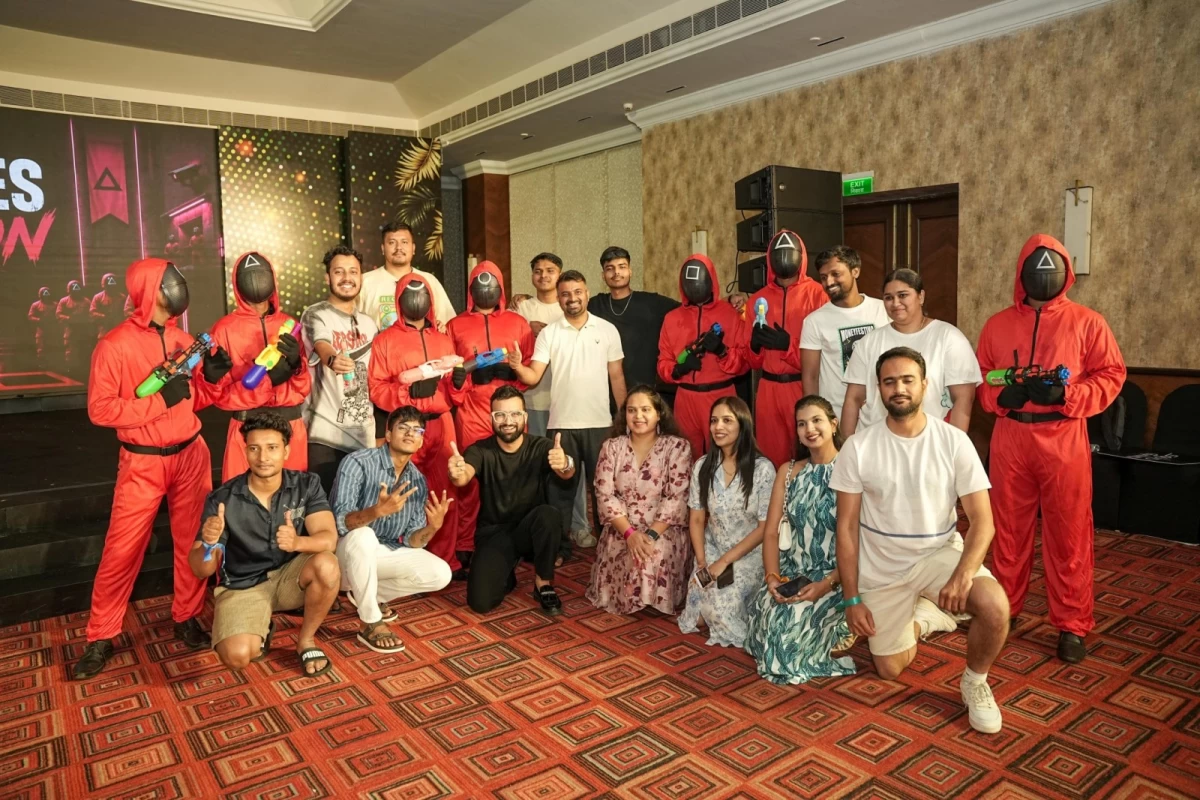
SOS Party helps organisations plan and execute corporate events and employee engagement experiences designed around their requirements. From interactive team-building activities and corporate offsites to large-scale employee engagement programmes, the right event format can create opportunities for employees to connect, collaborate, and share memorable experiences.
With thoughtful activity selection, organised execution, and clear event objectives, businesses can create experiences that are enjoyable for employees and easier to evaluate afterwards.
Whether you are planning a small team gathering or a large corporate engagement event, start by defining what success should look like for your organisation.
Conclusion
Measuring the success of a corporate team-building event requires more than counting attendees or collecting positive reviews. Companies should evaluate participation, employee feedback, collaboration, relationship-building, costs, and outcomes over time.
The most effective approach begins with clear objectives and uses relevant indicators to understand whether those objectives were achieved. Combining immediate feedback with follow-up assessments provides a more complete picture of the event's value.
By reviewing these findings and applying the lessons to future programmes, organisations can make better event-planning decisions and create more meaningful employee experiences.
A successful corporate team-building event is not simply one that employees enjoy on the day. It is one that delivers an experience aligned with the organisation's goals and provides useful insights for future improvement.
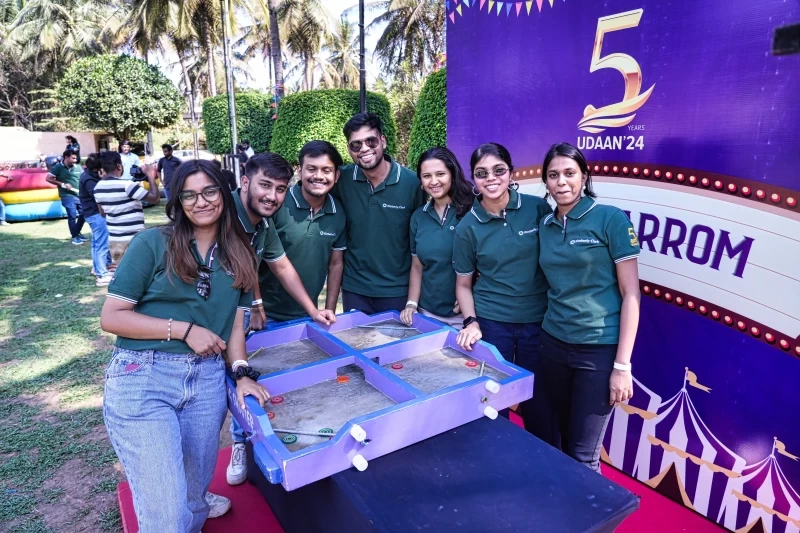





 Tailored for teams
 Hassle free booking
 Dedicated event planner