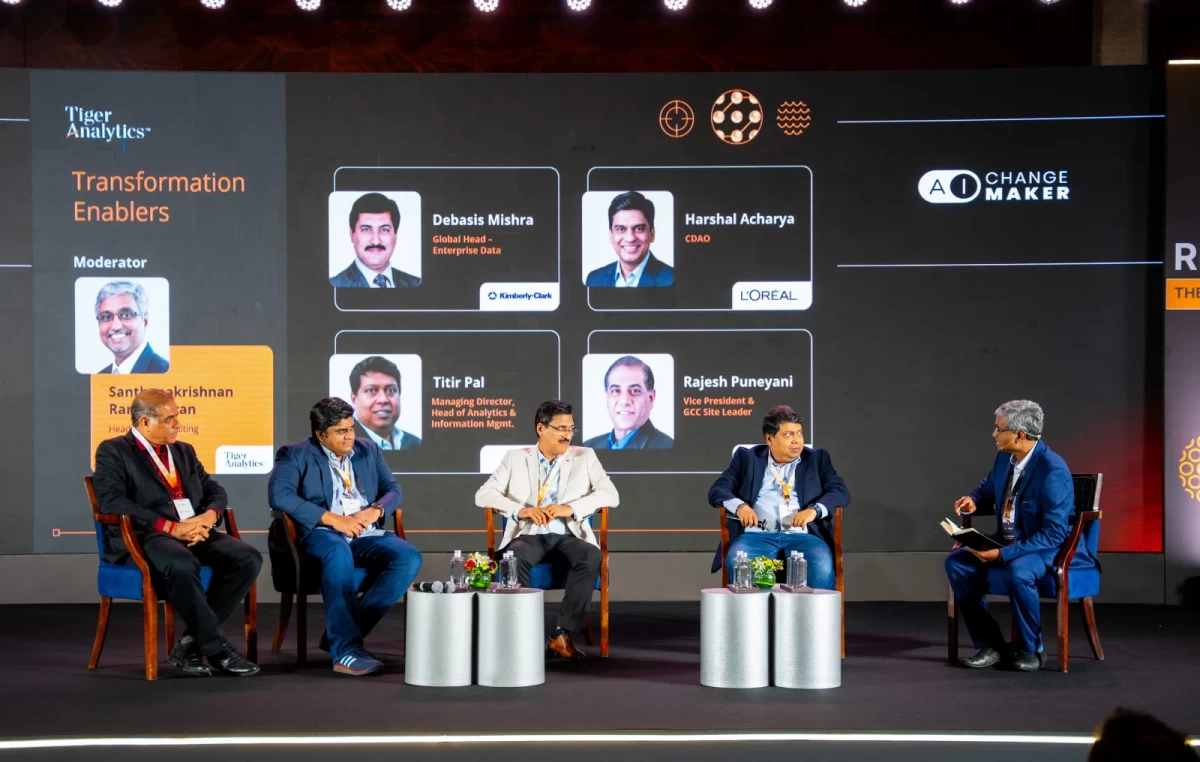


Corporate events in India have evolved significantly over the years. They are no longer limited to conferences, meetings, or formal presentations. Companies now use events to bring employees together, strengthen business relationships, launch products, recognise achievements, engage partners, build brands, and create memorable experiences for their audiences.
Whether it is an annual conference, business meet, dealer meet, product launch, award ceremony, corporate celebration, team gathering, or large-scale offsite, successful execution requires much more than booking a venue and arranging catering.
A well-executed corporate event involves careful planning, creative development, technical coordination, branding, fabrication, audio-visual production, guest management, and on-ground execution. This is where Event Production becomes an important part of the overall event experience.
From defining the purpose of an event to designing the stage, installing LED walls, coordinating sound and lighting, creating branded spaces, and managing technical requirements, every element needs to work together.
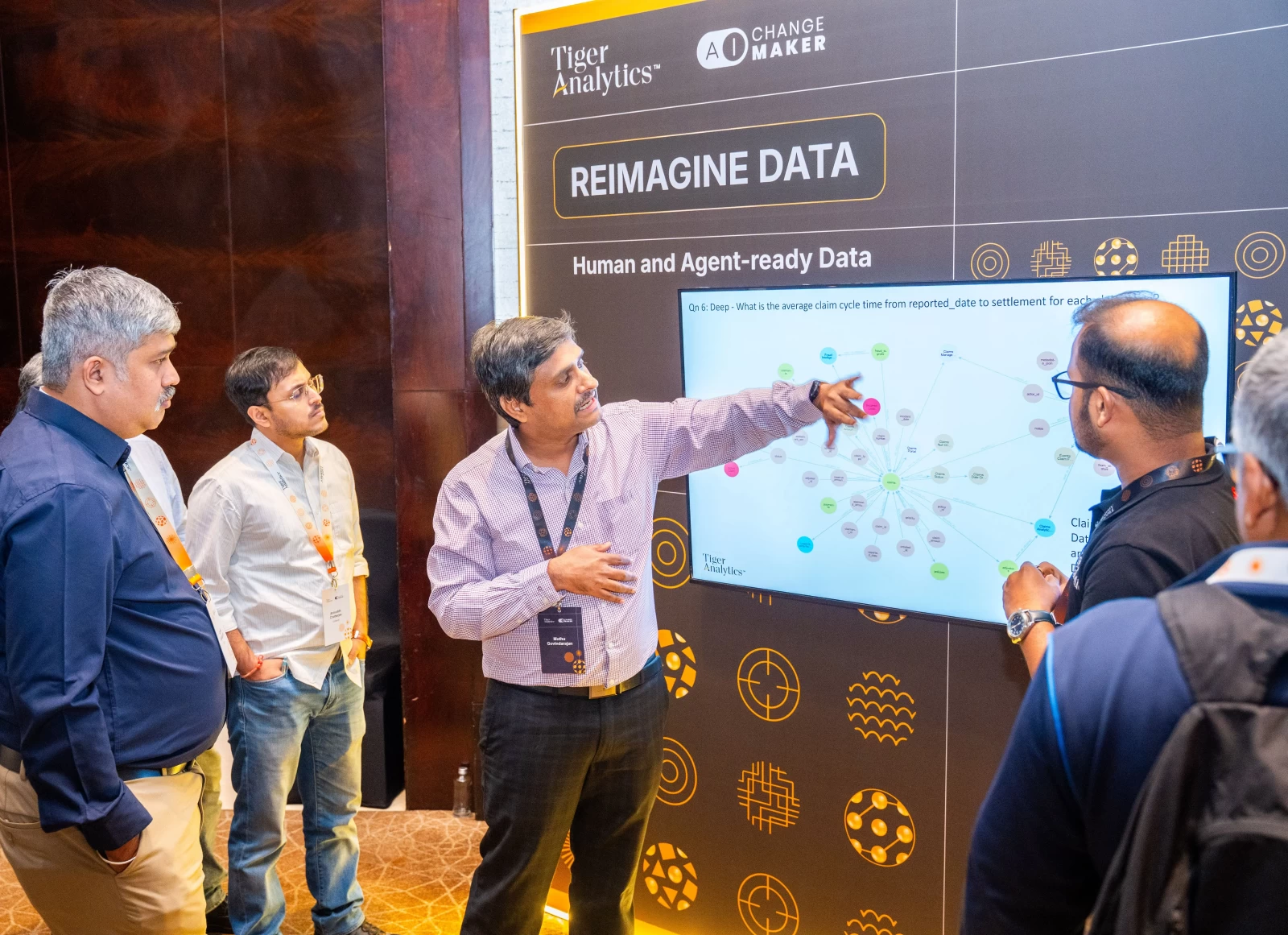
Types of Corporate Events and Their Production Needs
Corporate events are organised by businesses to achieve specific professional, communication, engagement, or relationship-building objectives.
Depending on the purpose and audience, corporate events in India can include:
-
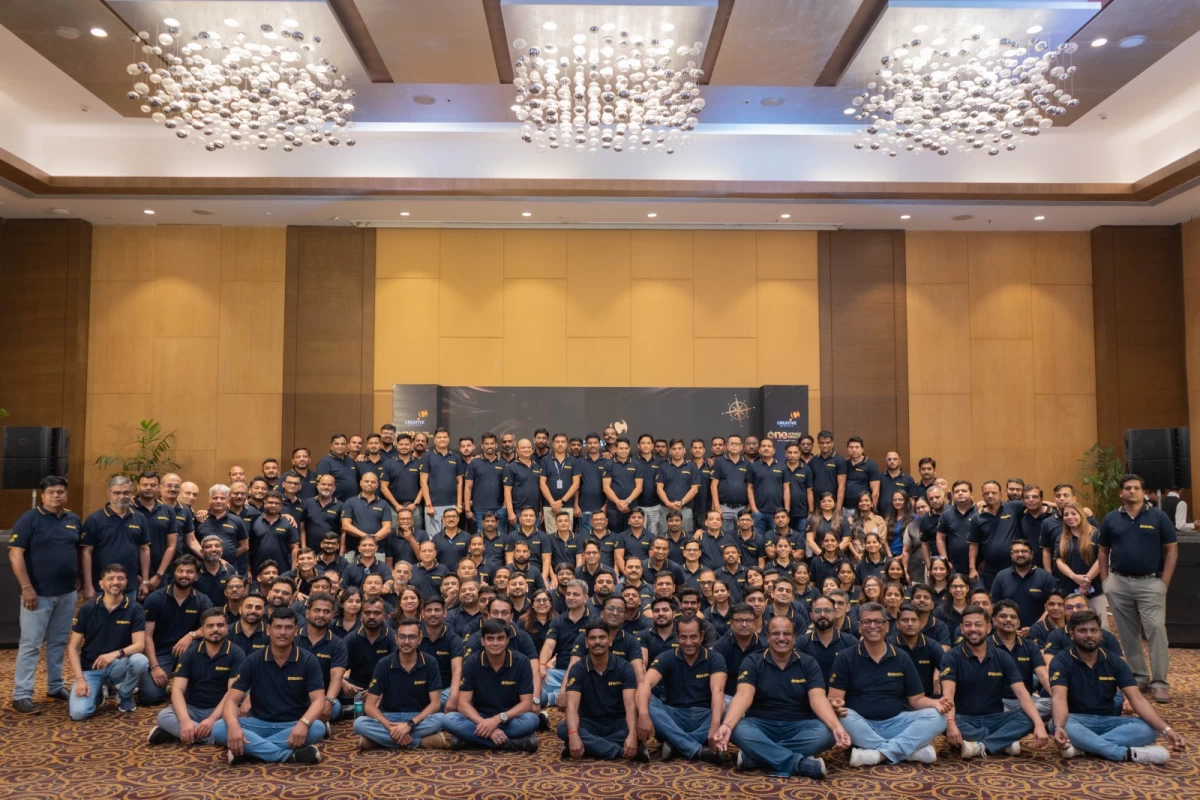
Annual conferences
-
Business meets
-
Sales meets
-
Dealer and distributor meets
-
Product launches
-
Leadership conferences
-
Award ceremonies
-
Corporate celebrations
-
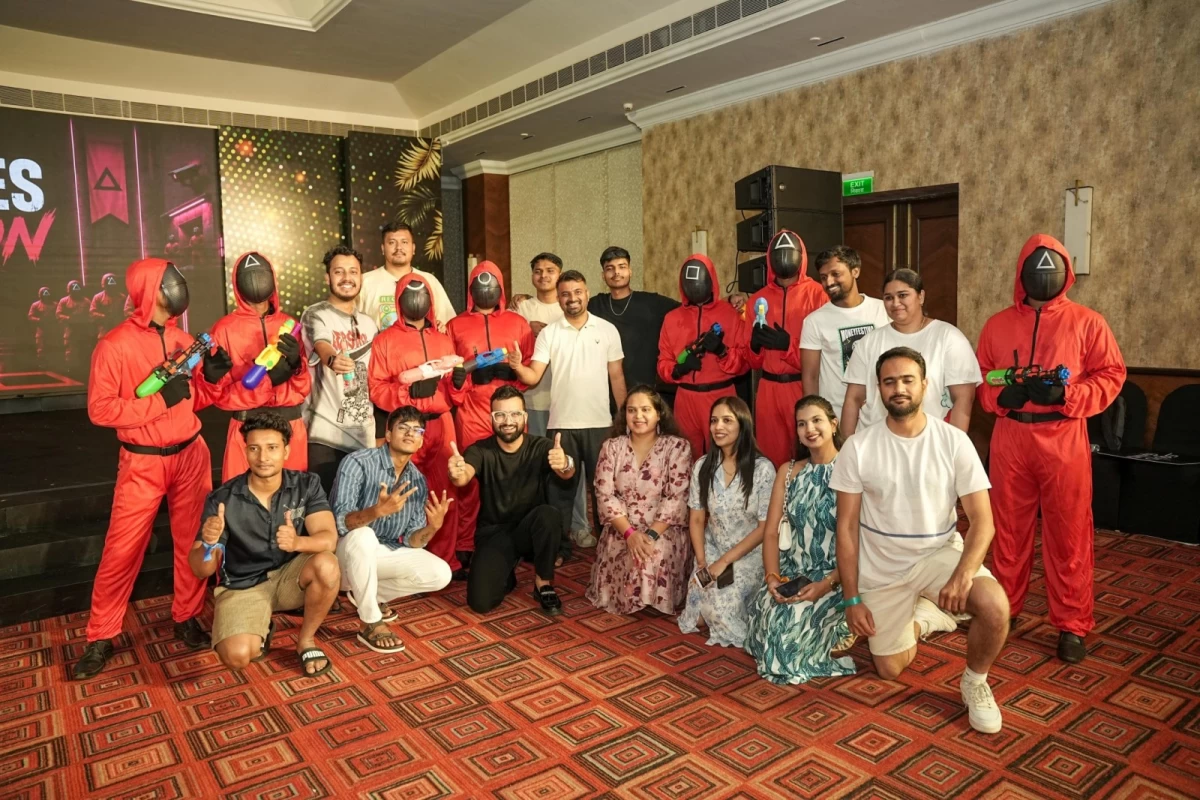
Employee engagement events
-
Team-building events
-
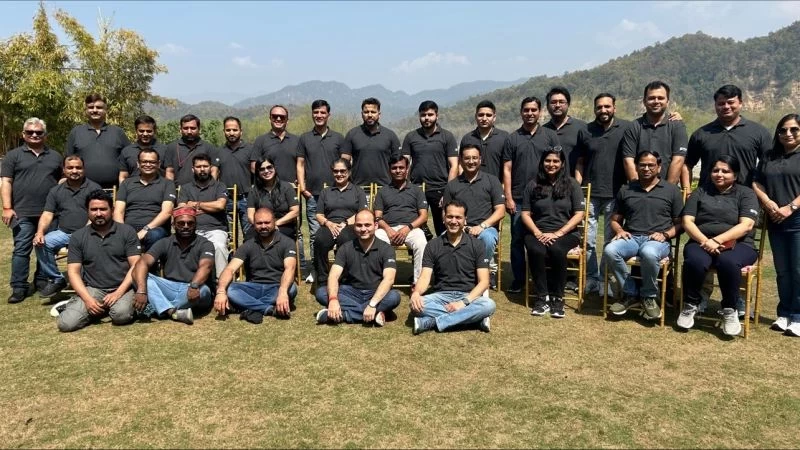
Corporate offsites
-
Gala dinners
-
Networking events
-
Industry conferences
-
Partner and client events
-
MICE events
Each format has different requirements. A leadership conference may focus on presentations and communication, while a product launch may require immersive branding and visual production. An annual celebration may need entertainment, stage design, lighting, and audience engagement.
Therefore, the planning and production approach should be based on the event's objective rather than following a standard format.
Why Is Planning Important for Corporate Events in India?
Planning creates the foundation for successful event execution.
Corporate events often involve several internal departments and external stakeholders. HR may focus on employee engagement, marketing may concentrate on branding, leadership may have expectations around presentation quality, and procurement may manage budgets and vendors.
Without proper planning, these requirements can become disconnected.
A structured planning process helps define:
-
What the event needs to achieve
-
Who will attend
-
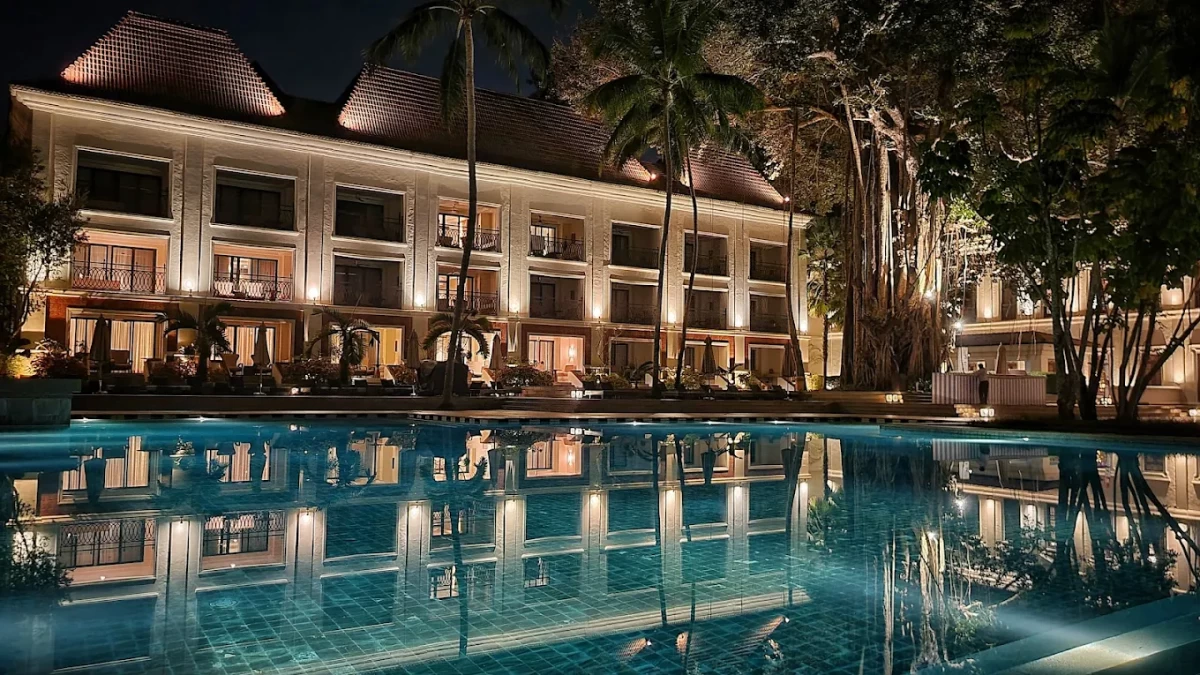
Where it will take place
-
What type of experience is required
-
What production elements are necessary
-
How much budget is available
-
Which vendors or production partners are required
-
What the event timeline will look like
-
How technical and operational risks will be managed
Planning also allows the production team to understand the event before fabrication, installation, and technical execution begin.
Step 1: Define the Objective of the Event
Every corporate event should begin with a clear objective.
Ask:
Why is the company organising this event?
The answer could be:
-
Launching a new product
-
Communicating business goals
-
Celebrating annual achievements
-
Training employees
-
Building team relationships
-
Recognising employees or partners
-
Strengthening dealer relationships
-
Engaging customers
-
Conducting a leadership meeting
-
Creating networking opportunities
The objective influences almost every later decision, including venue, event format, branding, production design, entertainment, technology, and audience engagement.
For example, a product launch may require a visually strong stage and product reveal, while a leadership conference may prioritise presentations, clear audio, LED screens, and comfortable seating.
Step 2: Understand the Audience
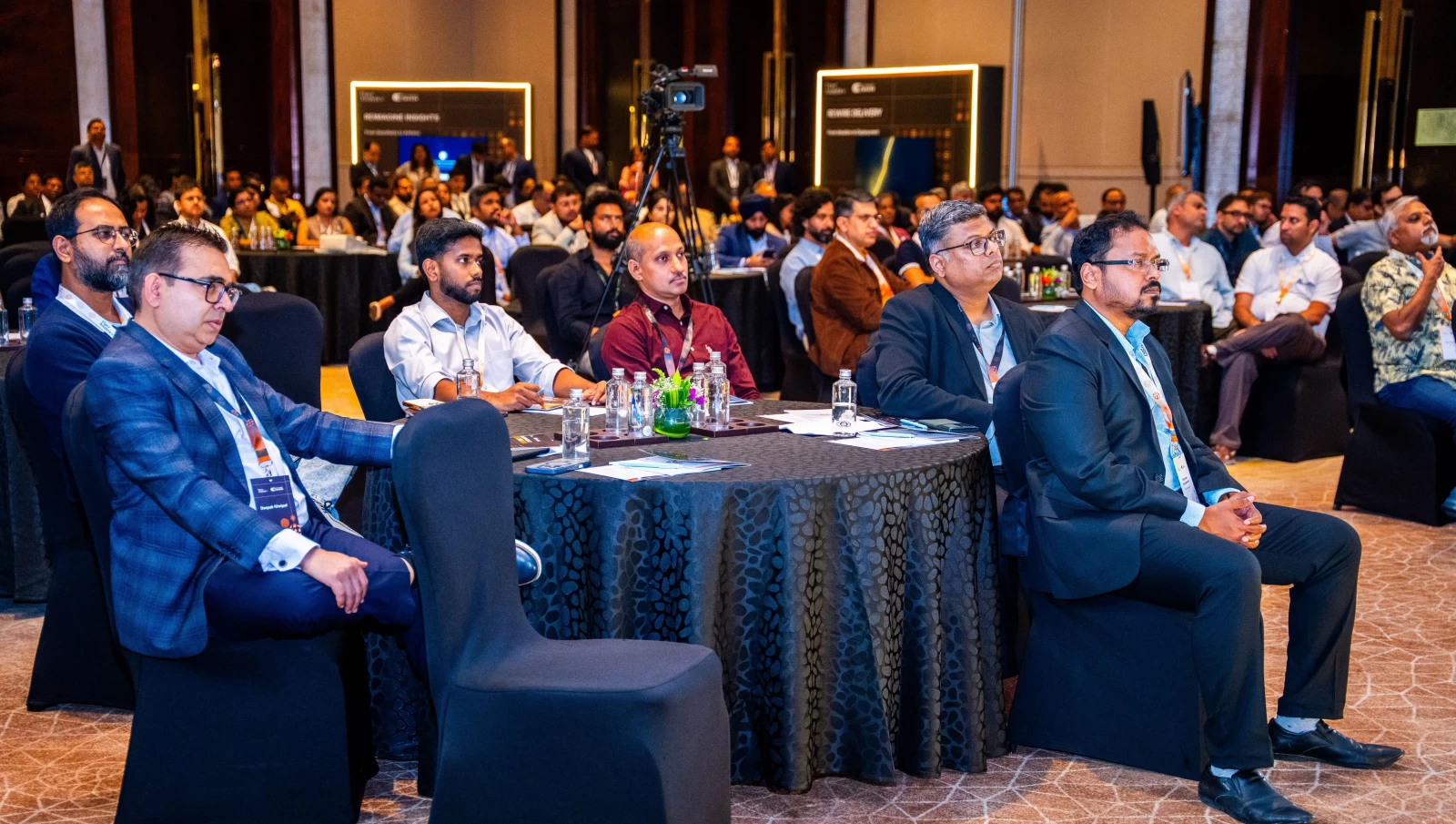
Corporate events can have very different audiences.
The attendees could include:
-
Employees
-
Senior management
-
Business partners
-
Dealers
-
Distributors
-
Customers
-
Investors
-
Industry professionals
-
Media
-
International guests
Understanding the audience helps determine the tone, format, venue, seating arrangement, communication style, branding, entertainment, and engagement activities.
A formal leadership summit and an employee celebration should not feel identical.
Step 3: Decide the Event Format
Once the objective and audience are clear, the next step is choosing the right format.
For example:
Conference
A conference usually requires presentation screens, professional audio, stage design, speaker support, seating arrangements, and registration facilities.
Business Meet
Business meets may include presentations, networking, business updates, recognition segments, and branded environments.
Product Launch
A product launch often requires strong visual storytelling, stage design, LED technology, lighting, product display areas, and reveal moments.
Award Ceremony
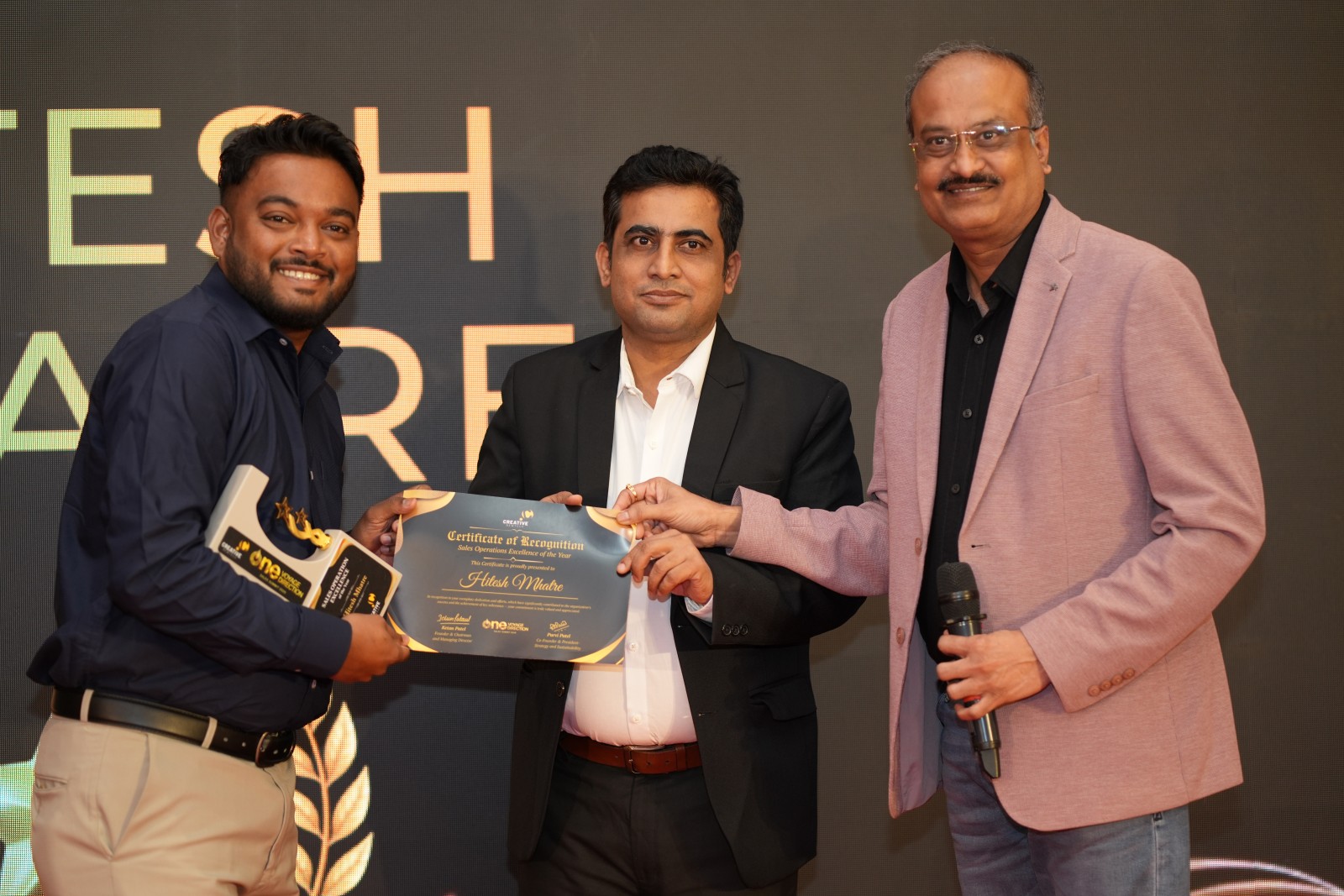
An awards event may require a visually impactful stage, lighting, LED screens, audio systems, trophy presentation areas, and photography opportunities.
Corporate Celebration
Corporate celebrations can involve entertainment, theme-based décor, stage production, lighting, music, interactive experiences, and guest engagement.
Selecting the right format early makes subsequent planning much easier.
Step 4: Select the Right Venue
Venue selection is one of the most important decisions in corporate event planning.
The venue needs to accommodate more than the audience.
Before finalising a location, planners should consider:
-
Guest capacity
-
Stage dimensions
-
Ceiling height
-
LED screen requirements
-
Sound requirements
-
Power availability
-
Rigging possibilities
-
Loading and unloading access
-
Exhibition space
-
Registration area
-
Dining arrangements
-
Parking
-
Guest accommodation
-
Technical setup time
-
Installation and dismantling restrictions
A visually attractive venue may not always be suitable for complex event production.
For larger events, the production team should ideally review the venue before the final design is approved.
Step 5: Develop the Event Concept
Once the fundamentals are established, the creative direction can be developed.
The concept should connect the company's objectives with the audience experience.
It may include:
-
Event theme
-
Stage concept
-
Colour and visual direction
-
Branding approach
-
Guest journey
-
Presentation style
-
Entertainment
-
Interactive experiences
-
Photo opportunities
-
Exhibition areas
For corporate events, the concept should balance creativity with professionalism.
What Is Event Production?
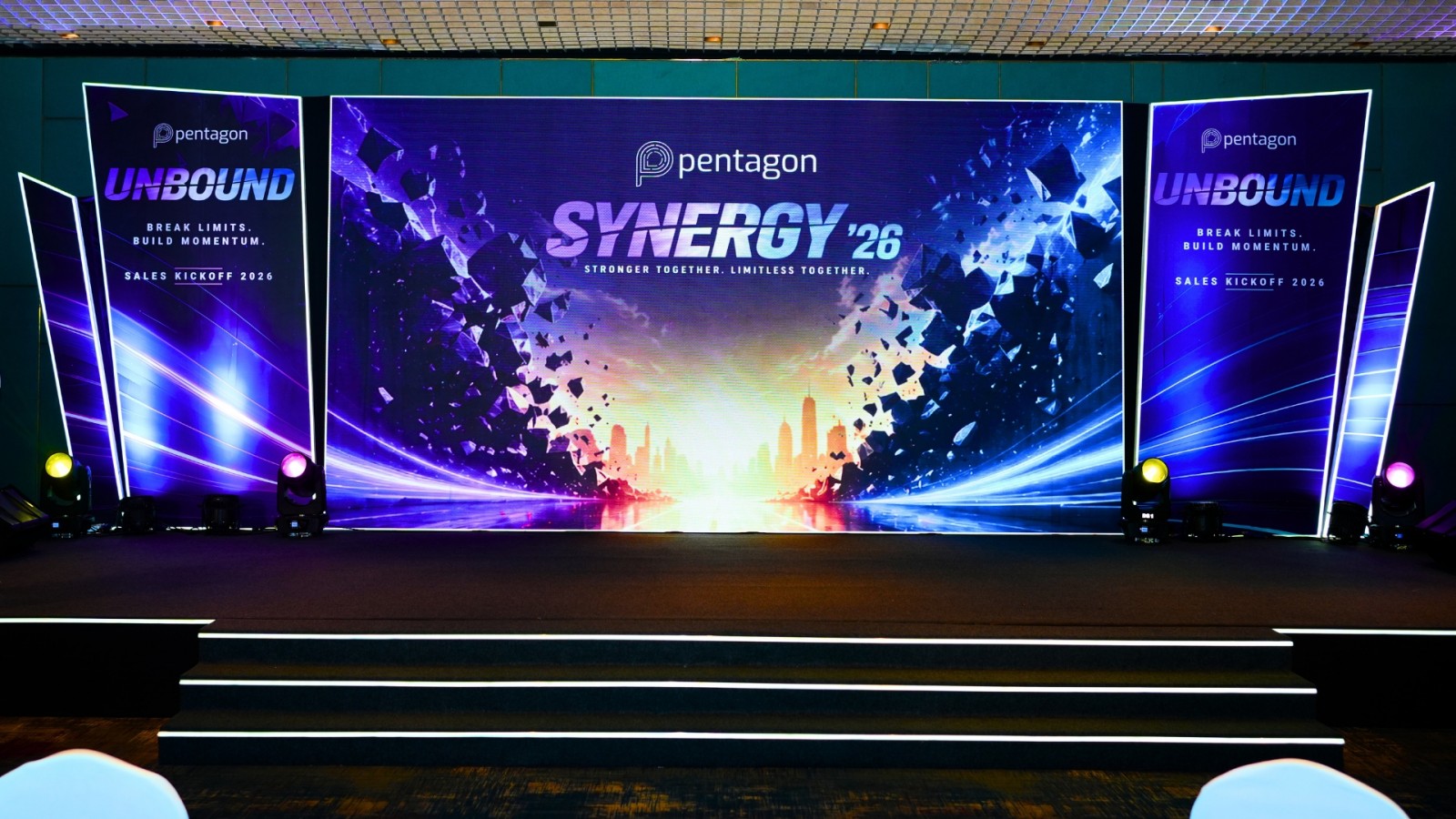
Event production is the process of designing, creating, installing, operating, and dismantling the physical and technical elements required to deliver an event.
It can include stage fabrication, corporate branding, LED walls, lighting, sound systems, exhibition booths, registration areas, technical equipment, and interactive experience zones.
In a corporate event, production transforms an empty venue into an environment designed around the event's purpose and audience.
It is not limited to putting up a stage.
It connects multiple physical, visual, and technical elements into one coordinated environment.
Event Management vs Event Production
Event management and event production are closely connected, but they are not exactly the same.
Event management generally covers the broader planning and coordination of an event, including schedules, logistics, vendors, guest management, hospitality, communication, and overall execution.
Event production focuses more heavily on the physical, creative, and technical execution of the event.
This can include:
-
Stage design
-
Stage fabrication
-
LED screens
-
Lighting
-
Sound
-
AV technology
-
Branding
-
Booth fabrication
-
Technical operations
-
Installation
-
Live technical support
-
Dismantling
For a large corporate event, both functions may need to work together.
What Does Corporate Event Production Include?
1. Stage Design and Fabrication
The stage is often the visual centre of a corporate event.
It needs to accommodate speakers, presenters, performers, LED screens, branding, lighting, and technical equipment.
Stage fabrication can include:
-
Custom stages
-
Risers
-
Trussing
-
Podiums
-
Backdrops
-
Structural elements
-
Branded stage components
The design should be developed according to the venue, audience size, event theme, branding requirements, and technical needs.
2. Corporate Branding
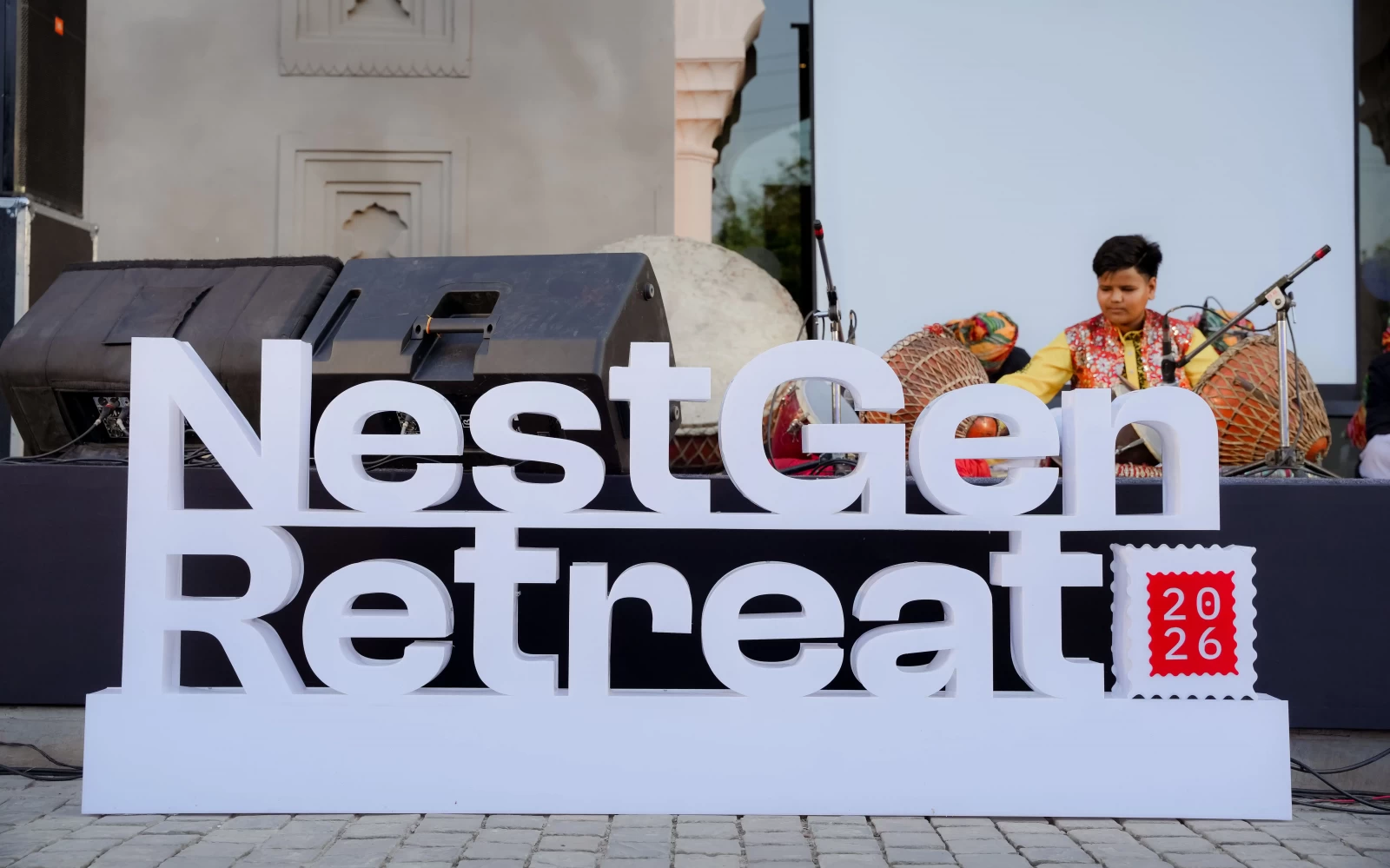
Branding helps create a consistent visual identity throughout the venue.
Depending on the event, branding can appear across:
-
Stage backdrops
-
Entrance areas
-
Registration counters
-
Directional signage
-
Banners
-
Photo opportunities
-
Exhibition areas
-
Networking zones
-
Branded installations
Consistent branding can help reinforce the company's identity and make the event environment feel cohesive.
3. LED Walls and Visual Technology
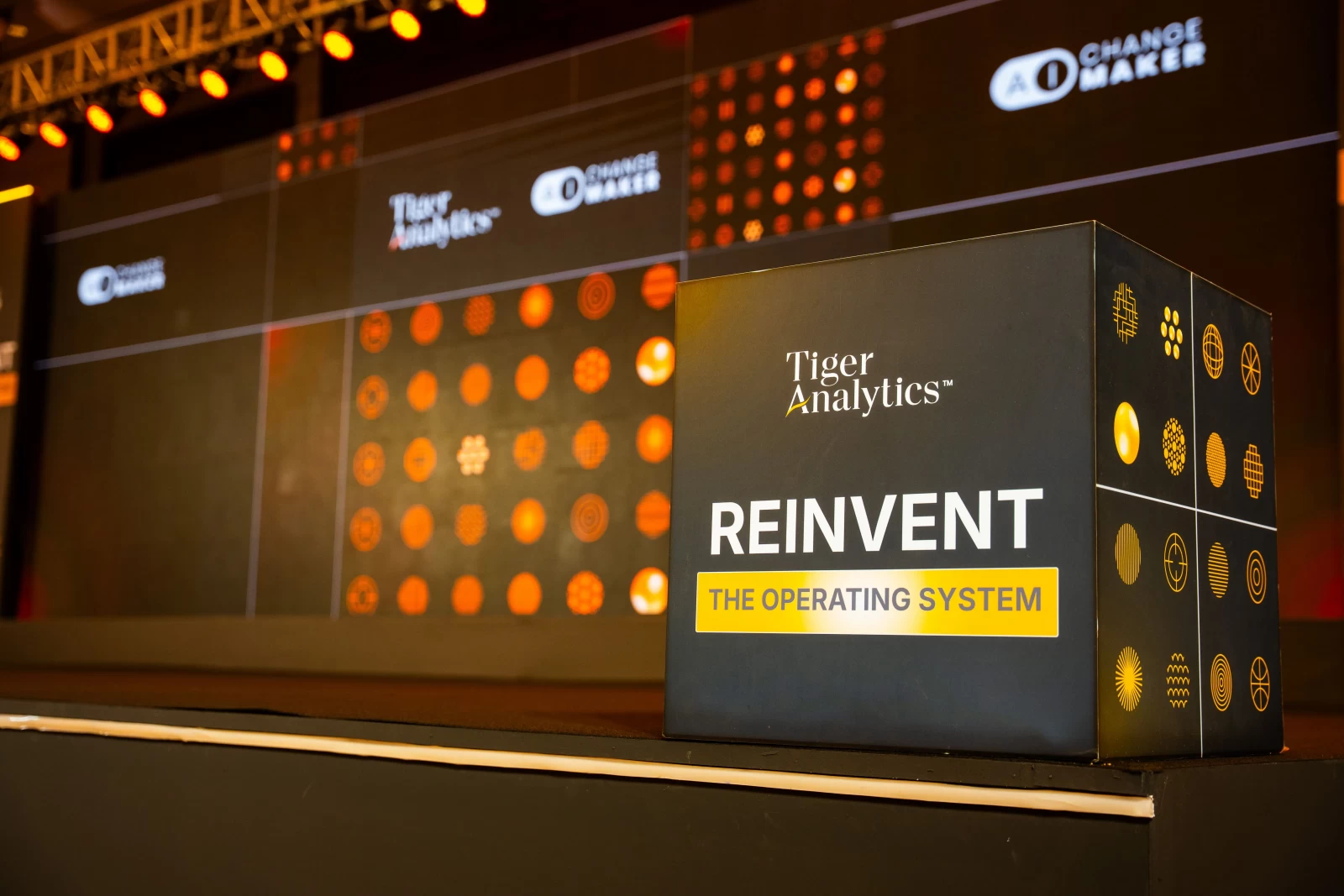
Modern corporate events rely heavily on visual communication.
Presentations, videos, animations, speaker backgrounds, product demonstrations, and live feeds may all require professional display technology.
Production teams may coordinate:
-
LED walls
-
Projection systems
-
Video playback
-
Content mapping
-
Live feeds
-
Technical operators
For large audiences, display quality and screen visibility become particularly important.
4. Lighting Design
Lighting can influence the mood, visibility, photography, presentation quality, and overall atmosphere of an event.
Depending on the event, production may include:
-
Stage lighting
-
Spotlights
-
Wash lights
-
Moving lights
-
Decorative lighting
-
Effect lighting
-
Architectural lighting
A conference may require a professional and controlled lighting setup, while an awards evening or gala event may benefit from a more dramatic lighting design.
5. Sound and Audio Production
Clear sound is essential for corporate communication.
A keynote presentation loses its impact if attendees cannot clearly hear the speaker.
Professional audio production may include:
-
Line-array speakers
-
Wireless microphones
-
Lapel microphones
-
Monitoring systems
-
Mixing consoles
-
Stage monitors
-
Playback systems
-
Audio technicians
The audio setup should be designed according to venue size, audience capacity, room acoustics, and event format.
6. Exhibition Booths and Display Areas
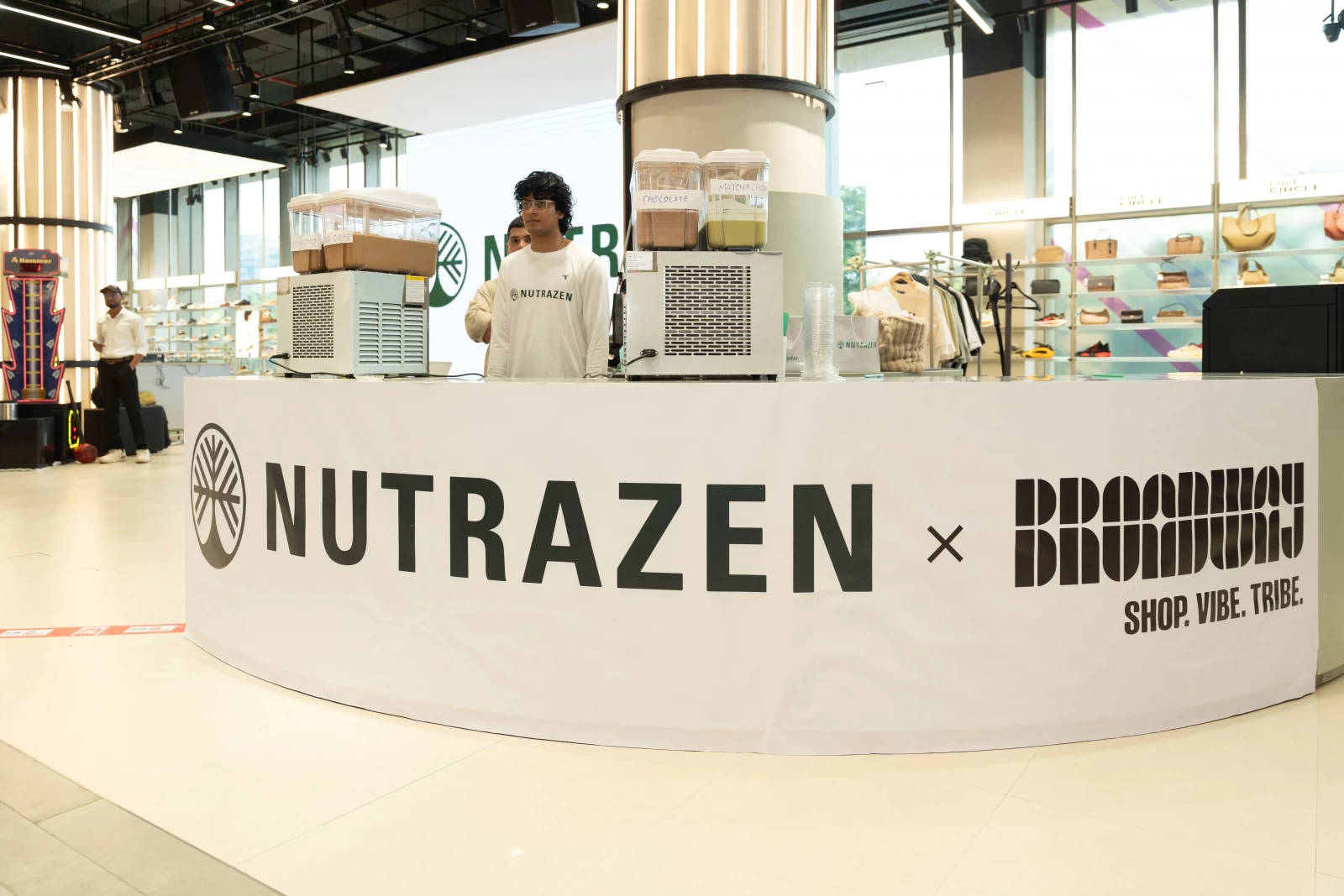
Some corporate events include exhibitions, product displays, networking areas, or partner showcases.
Production teams can create modular or customised booths according to:
-
Brand requirements
-
Available floor space
-
Product category
-
Audience interaction
-
Event theme
These setups can be particularly useful for dealer meets, trade shows, corporate exhibitions, product launches, conferences, and partner events.
7. Registration and Guest Areas
The attendee experience begins before guests reach the main event area.
Registration areas can include:
-
Check-in counters
-
Registration desks
-
Queue-management systems
-
Directional signage
-
Badge collection areas
-
Welcome backdrops
-
Digital displays
For larger conferences, a well-designed registration area can help manage guest movement and create a smoother arrival experience.
8. Experience Zones
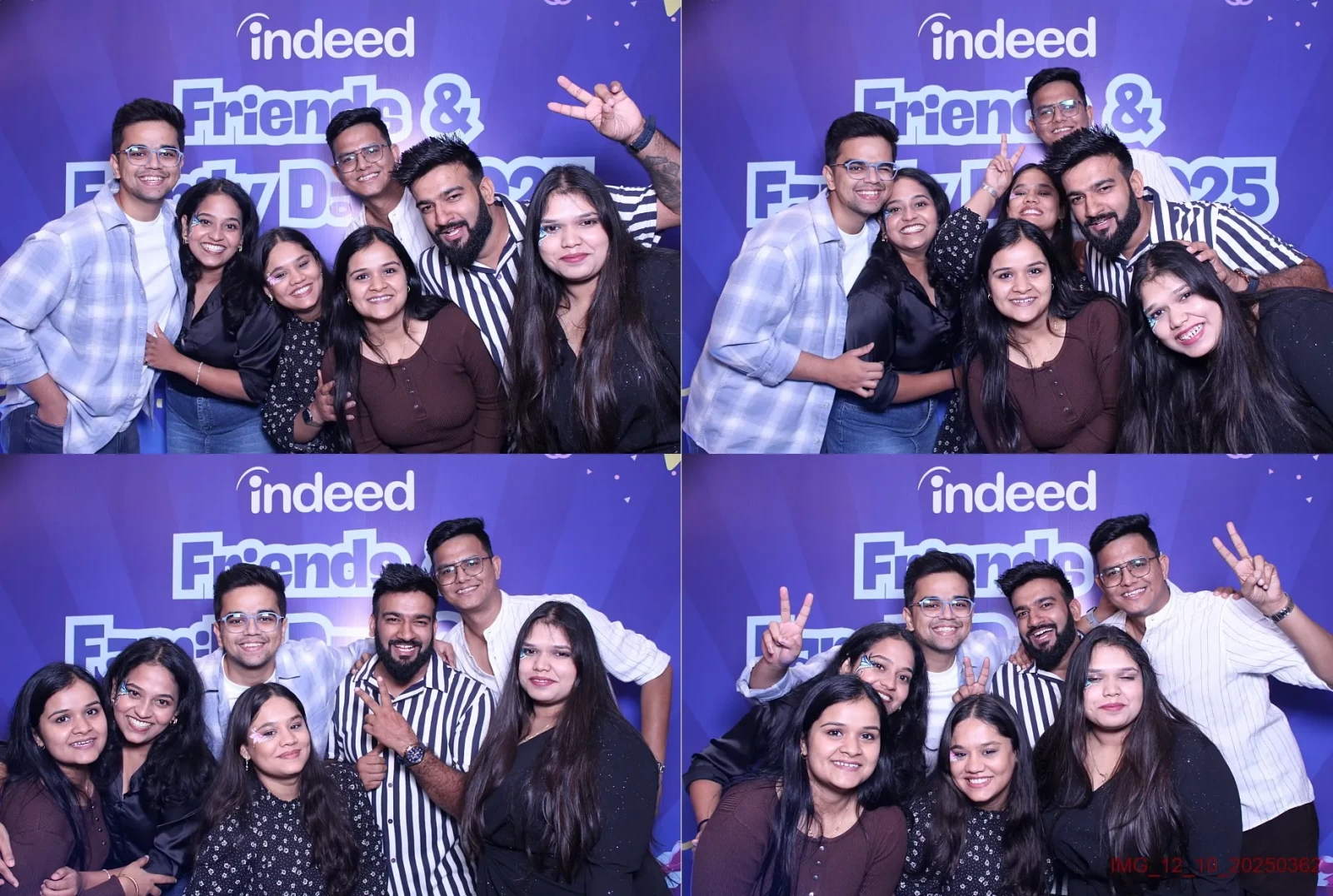
Corporate events are increasingly designed around audience engagement rather than simply seating attendees in front of a stage.
Experience zones may include:
-
Interactive installations
-
Branded photo areas
-
360-degree setups
-
Product demonstration spaces
-
Digital experiences
-
Networking environments
These areas give attendees opportunities to interact with the brand and event beyond the main programme.
Step 6: Create 2D and 3D Event Designs
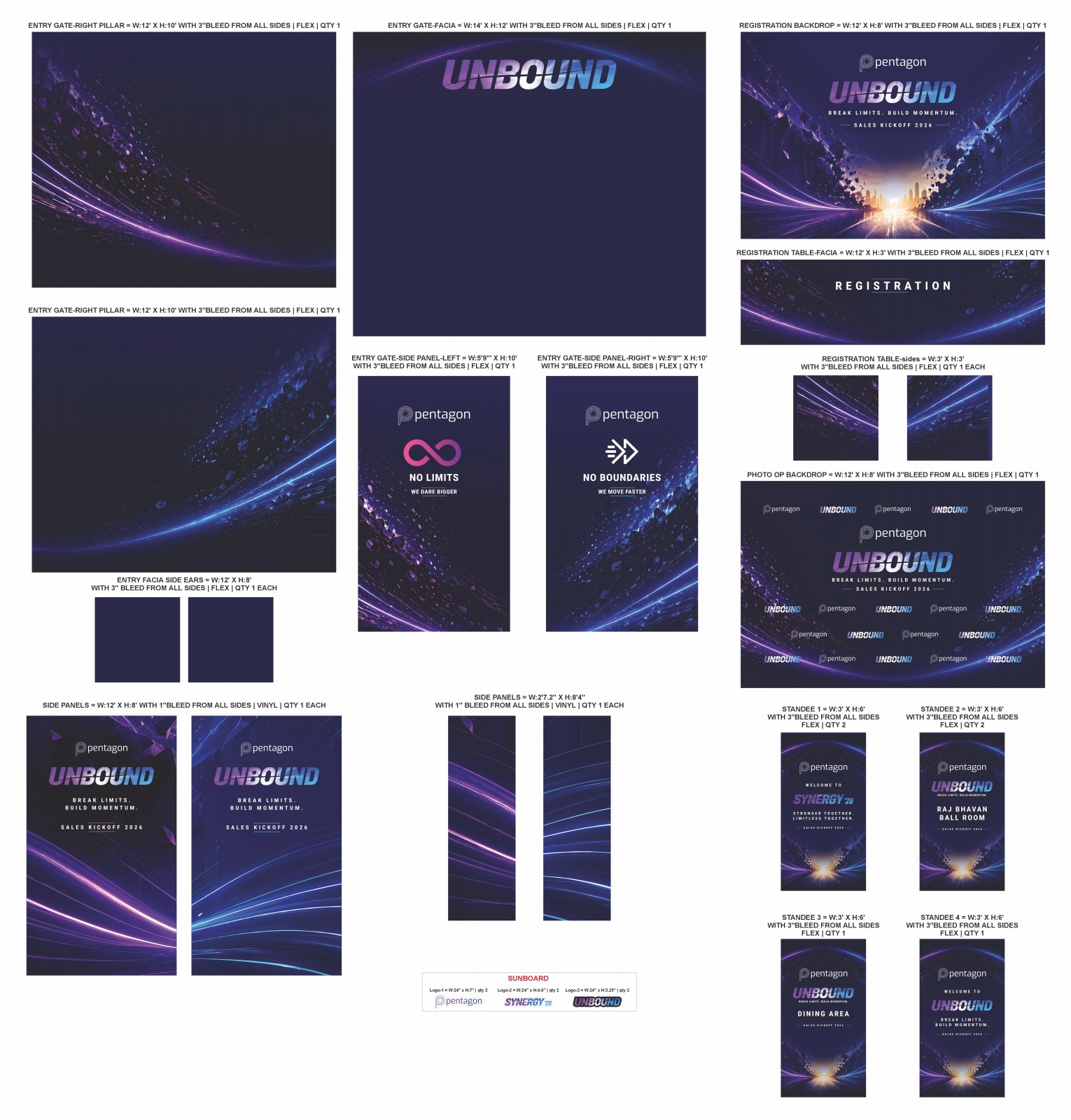
Before physical production begins, design concepts help stakeholders visualise the proposed setup.
2D and 3D designs can show:
-
Stage layout
-
LED placement
-
Branding
-
Seating
-
Registration areas
-
Booths
-
Experience zones
-
Lighting positions
-
Overall venue appearance
This allows the client and production team to review the concept and make changes before fabrication.
The uploaded source identifies concept development, 2D and 3D design, and client approval as important stages before production begins.
Step 7: Fabrication and Pre-Production
Once the design is approved, physical production begins.
Depending on the event, this can include:
-
Stage fabrication
-
Printing
-
Branding production
-
Booth construction
-
Set preparation
-
LED preparation
-
Lighting preparation
-
Audio equipment planning
-
Technical equipment testing
Pre-production is important because problems discovered before installation are generally easier to address than problems discovered after guests arrive.
Step 8: Installation and Technical Setup
The production team then moves to the venue.
Installation may involve:
-
Stage and structure setup
-
Branding installation
-
LED screen installation
-
Lighting installation
-
Sound setup
-
Booth installation
-
Registration setup
-
Experience-zone installation
-
Technical connections
-
Final visual checks
The sequence needs to be coordinated with venue rules, access timings, safety requirements, and event schedules.
Step 9: Technical Testing
Testing is one of the most important parts of event production.
Before the event begins, teams should test:
-
Audio levels
-
Microphones
-
LED screens
-
Presentation playback
-
Video content
-
Lighting cues
-
Stage equipment
-
Power requirements
-
Backup systems
-
Connectivity
-
Show-control requirements
The purpose is to identify technical issues before attendees enter the event.
Step 10: Live Event Production

Production does not end when the setup is complete.
During the event, technical teams may manage:
-
Presentations
-
Speaker microphones
-
Video playback
-
Lighting cues
-
Stage transitions
-
Live visuals
-
Music
-
Performances
-
LED content
-
Technical troubleshooting
This live support is particularly important for events involving multiple speakers, presentations, performances, or complex technical sequences.
Step 11: Dismantling and Load-Out
After the event, the production process continues.
The team needs to safely dismantle and remove:
-
Stage structures
-
LED screens
-
Lighting
-
Sound equipment
-
Branding
-
Exhibition booths
-
Registration setups
-
Experience zones
-
Technical equipment
A structured load-out helps ensure that the venue is returned according to its requirements and that equipment is transported safely.
How to Choose an Event Production Company in India
Choosing a production partner requires more than comparing quotations.
Corporate planners should evaluate several factors.
Production Capabilities
Check whether the company can manage the production elements required for your event, including stage fabrication, LED, lighting, sound, AV, branding, booths, and technical support.
Relevant Experience
Look at previous events that are similar in:
-
Scale
-
Audience size
-
Venue type
-
Event format
-
Production complexity
Technical Expertise
Ask about the team's experience with:
-
AV
-
LED
-
Sound
-
Lighting
-
Rigging
-
Power distribution
-
Technical operations
Safety
Safety should be a priority when dealing with stages, structures, trussing, rigging, electrical systems, and large installations.
Geographic Reach
For companies organising events across multiple Indian cities, a production partner with a wider execution network can help maintain consistency between locations.
Backup Planning
Ask how the production team handles:
-
Equipment failure
-
Power issues
-
Technical problems
-
Weather-related concerns
-
Last-minute changes
-
Replacement requirements
Communication
A professional partner should be able to provide clear:
-
Designs
-
Timelines
-
Production plans
-
Cost estimates
-
Approval processes
-
Installation schedules
-
Technical requirements
How Much Does Corporate Event Production Cost in India?
There is no single fixed cost for event production.
The budget depends on several factors, including:
-
Event size
-
Number of attendees
-
Venue
-
Stage design
-
Fabrication requirements
-
LED screen size
-
Lighting requirements
-
Sound system
-
Branding
-
Exhibition booths
-
Experience zones
-
Technical staffing
-
Installation requirements
-
Event duration
-
Number of production days
A simple business meeting may require a relatively straightforward production setup, while a large corporate conference, product launch, or awards event may require extensive fabrication, LED, lighting, sound, branding, and technical support.
Instead of selecting every production element solely on price, companies should first identify which elements directly support the event's objectives.
Integrated planning can also make budgeting easier because production requirements can be evaluated together rather than through multiple disconnected vendors.
Common Mistakes to Avoid in Corporate Event Production
Choosing Production After Finalising Everything Else
Production should be considered during the early planning stages, particularly for complex events.
Ignoring Venue Restrictions
Ceiling height, loading access, rigging restrictions, power availability, and installation timings can affect the final setup.
Focusing Only on Appearance
A visually impressive stage is not enough. Audio, visibility, safety, audience movement, and technical reliability are equally important.
Leaving Technical Testing Until the Last Minute
Testing should be completed well before guests arrive.
Using Too Many Uncoordinated Vendors
Multiple suppliers can create communication and accountability challenges. A single production partner can sometimes simplify coordination by bringing several requirements under one production plan.
Why Event Production Is Important for Corporate Events
Event production should not be viewed simply as equipment and temporary structures.
The production environment contributes to the overall attendee experience.
A well-designed stage can communicate professionalism. Consistent branding can strengthen corporate identity. High-quality sound ensures clear communication. Effective lighting can improve the atmosphere and presentation quality. A well-planned registration area can improve the guest journey.
When these elements work together, production becomes part of the event experience rather than simply the infrastructure behind it.
Why Choose SOS Party for Corporate Event Production in India?
SOS Party brings together creative planning, event production, fabrication, and technical execution to help businesses deliver professionally coordinated corporate events. Its approach can be adapted to different event formats, whether the requirement is a conference, business meet, product launch, annual celebration, award ceremony, corporate offsite, or another business gathering.
A key advantage of an integrated production approach is that different event elements can be developed with a common creative and technical direction. SOS Party can support requirements such as custom stage fabrication, corporate branding, LED walls, lighting, sound and AV systems, exhibition booths, registration setups, and interactive experience zones.
Final Thoughts
Corporate Events in India require more than a well-planned schedule. The success of an event depends on how effectively its strategy, venue, creative concept, production, technology, and audience experience work together.
The planning process should begin with a clear understanding of the event objective and audience. From there, companies can make informed decisions about the format, venue, creative direction, branding, production requirements, technical setup, and event-day operations.
Event production is therefore not just about building a stage or installing an LED screen. It is about bringing the physical, visual, technical, and experiential elements of an event together in a coordinated way.
Ultimately, the right production approach is not necessarily the one with the most equipment or the most elaborate design. It is the one that effectively supports the purpose of the event, the needs of its audience, and the company's overall objectives.





 Tailored for teams
 Hassle free booking
 Dedicated event planner