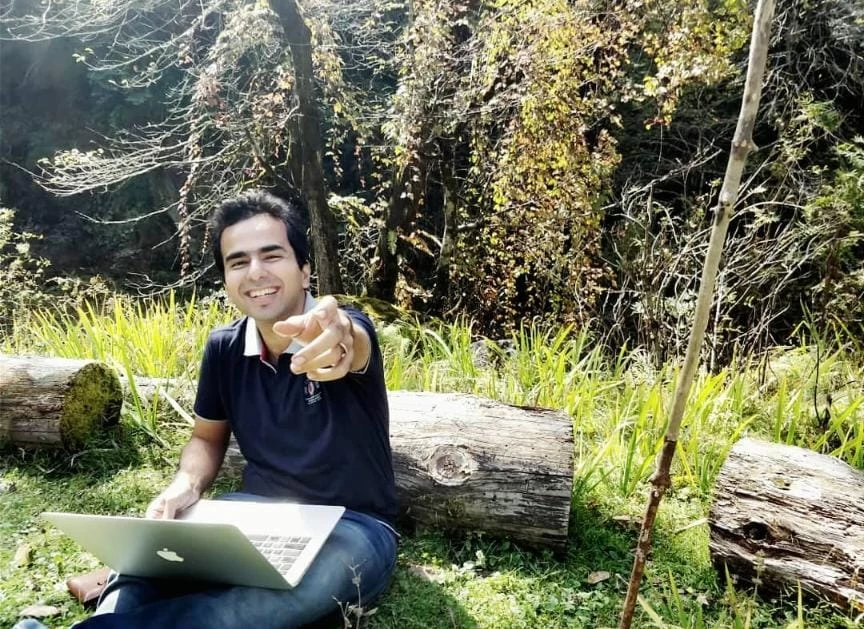


I did not plan to become a creative professional.
In fact, if you had asked me in college where I was headed, the most honest answer would have been: I don’t know, but I want to build things.
I started as an electronics engineer from NIT Delhi. On paper, that should have led me down a fairly predictable path. Campus placements. A stable job. A clean trajectory.
What college quietly made me realise was something very different.
I loved creating.
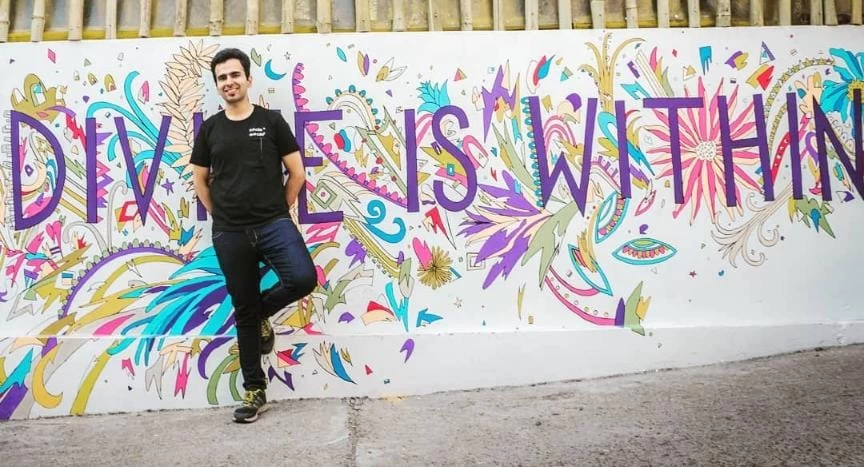
Not in the romantic sense of brainstorming ideas endlessly, but in the practical, sometimes messy act of building things that solved real problems. I enjoyed looking at everyday inefficiencies and taking slightly out-of-the-box approaches to fix them. I liked prototypes more than presentations.
That instinct showed up early.
One of my first entrepreneurial projects in college was Bookster. It was a simple idea: make college books more accessible by streamlining the second-hand book market. Anyone who has studied engineering knows how expensive and underutilized textbooks can be. Bookster tried to solve that.
That idea went on to make it to the top 10 at the Dell Social Innovation Challenge. More importantly, it gave me my first taste of mentorship and validation. Someone else believed this was worth building.
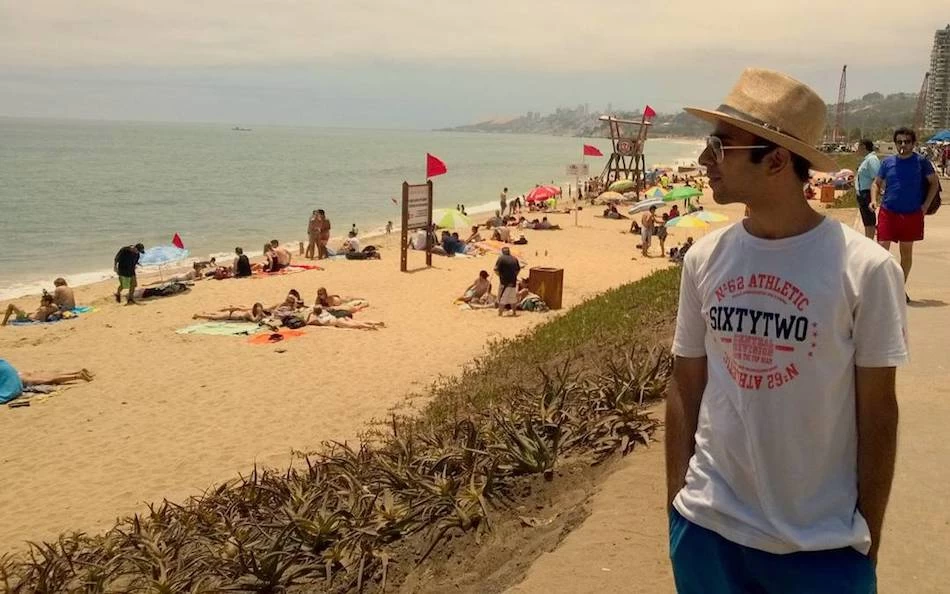
From there, things moved quickly.
I became part of the Global Social Benefit Institute at Santa Clara University, California. Around the same time, I seriously considered quitting college to pursue startups full-time. In hindsight, I am glad I didn’t. I graduated, but consciously chose not to sit for on-campus placements.
By then, I was already working on what would become my first real startup: Knowledge Maps.
Knowledge Maps was born out of a frustration many of us faced while learning online. The internet had unlimited resources, but no structure. The idea was to socially map the best learning resources so people could learn faster and better. This was a pre-AI world. Everything had to be manually curated and designed with intent.
Right after graduation, Knowledge Maps got funded by Startup Chile. That was the first funding of my life. My co-founder Pavneet and I moved to Santiago, Chile, and spent the few years building.
Those two years taught me more than any classroom ever could.
We built. We iterated. We struggled. And eventually, we accepted that the startup was not working the way we had hoped. When the funding ran out, I came back to India with a lot of learning, some scars, and a deep belief that creating was not optional for me.
Back in India, my wife Prerna and I started Stay On Skill.
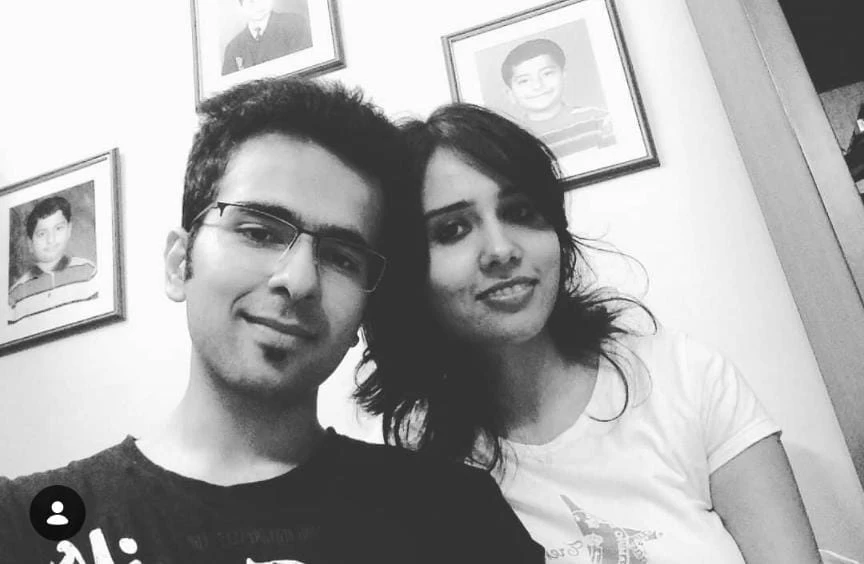
The idea was simple and slightly crazy: use any skill you have to stay for free while travelling across India. You could teach, perform, help, or create in exchange for accommodation. Stay On Skill was not just a business idea. It was an experiment in creativity, trust, and human exchange.
As we worked on it, something interesting happened.
The market started pulling us in a different direction.
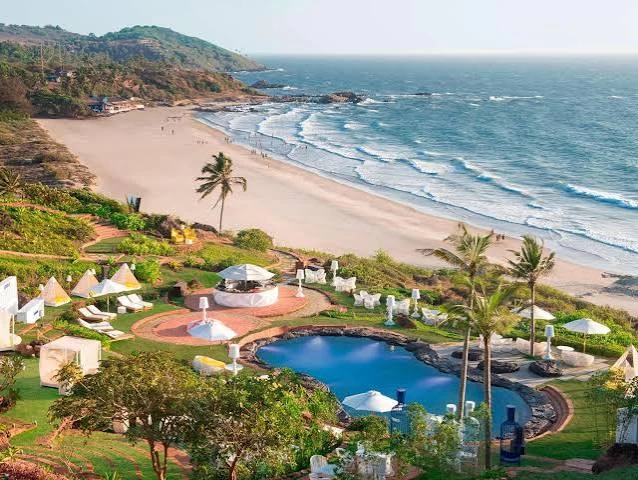
We began to see a clear demand for creative professionals in travel, entertainment, and experiences. Brands and organizations were looking for people who could design moments, not just logistics. Slowly, organically, we iterated.
Stay On Skill evolved.
And that evolution became SOS Party.
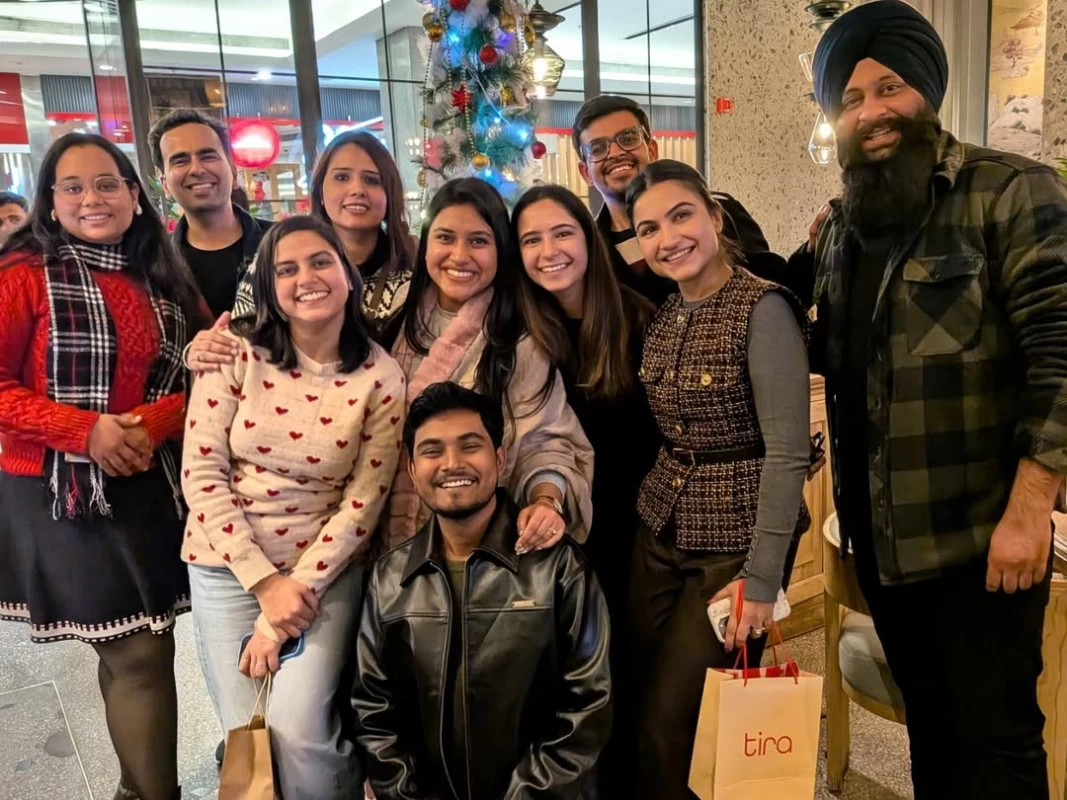
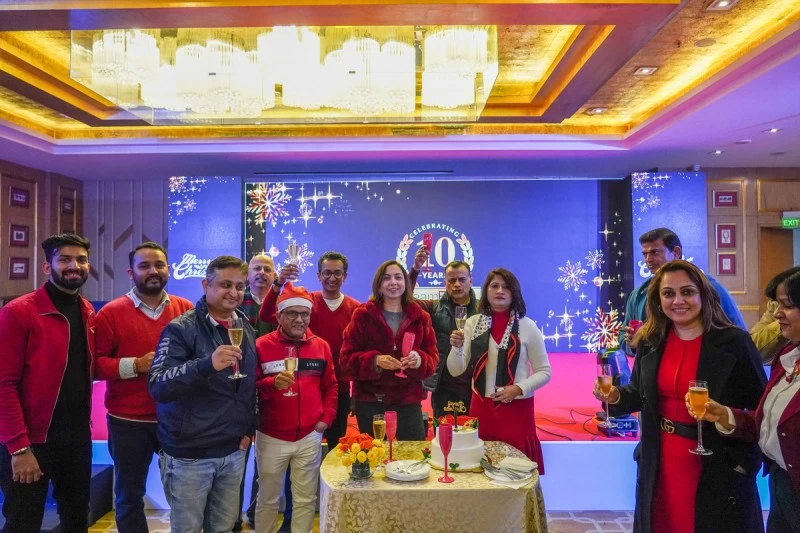
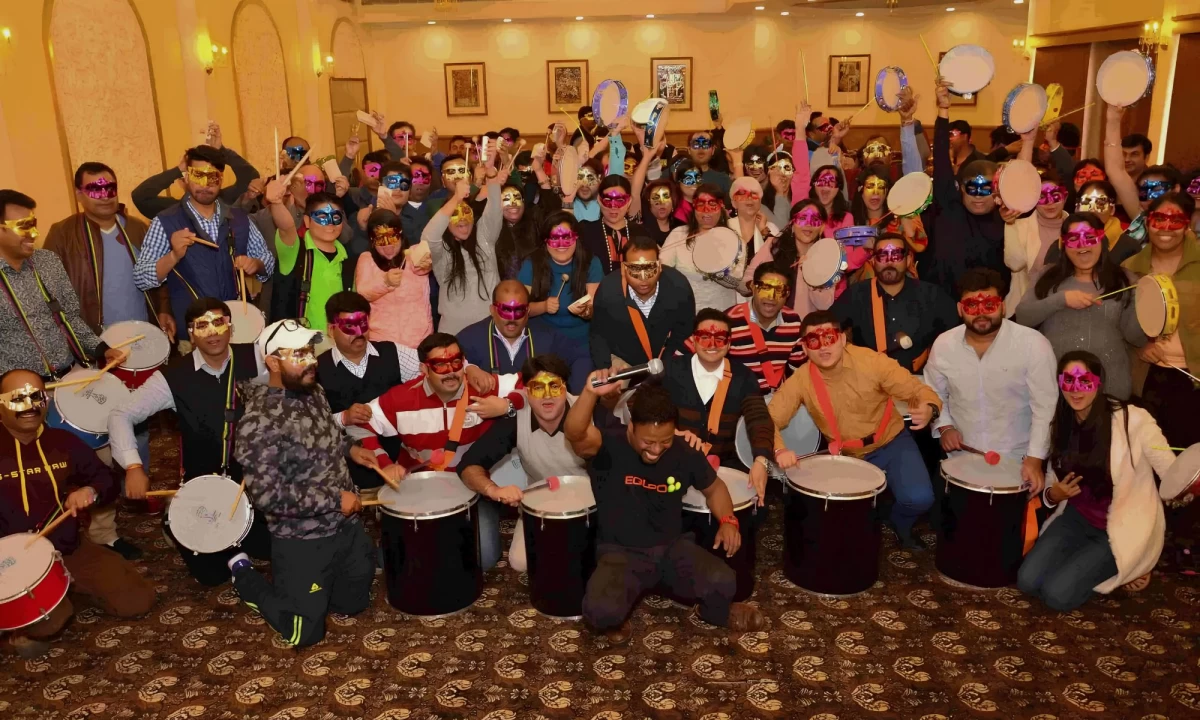
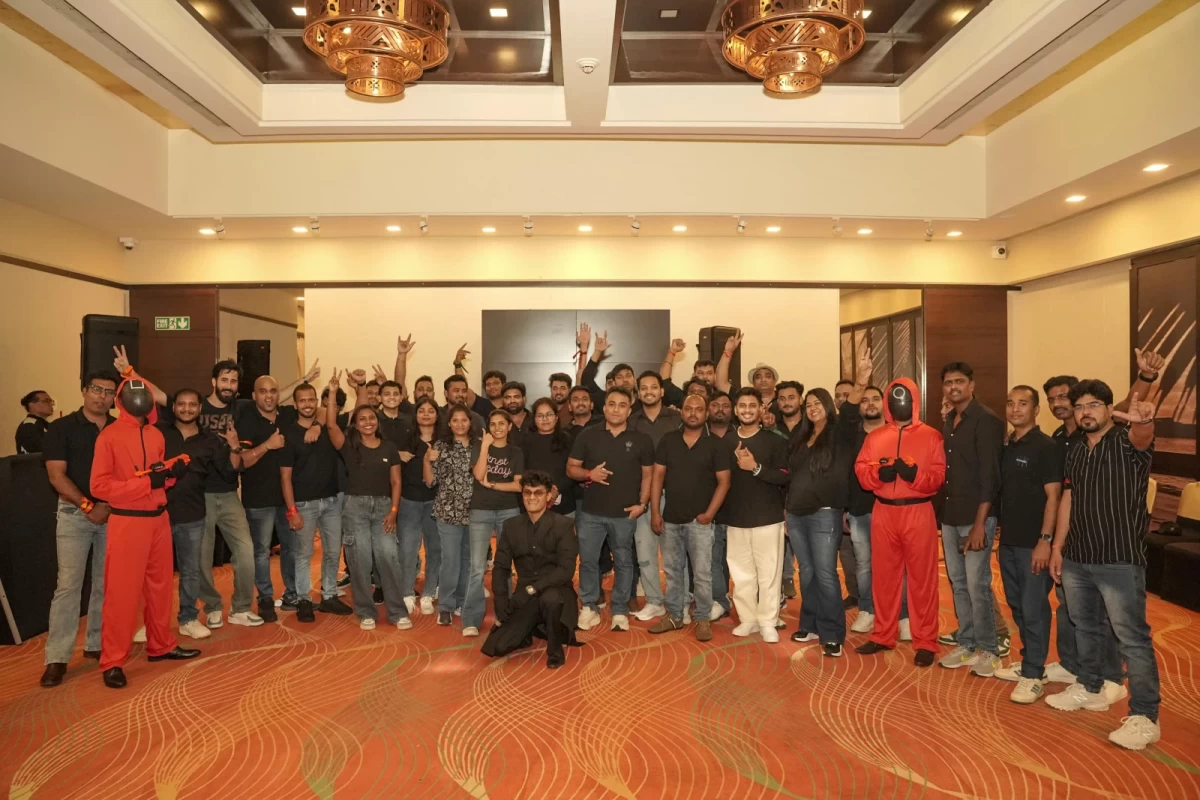
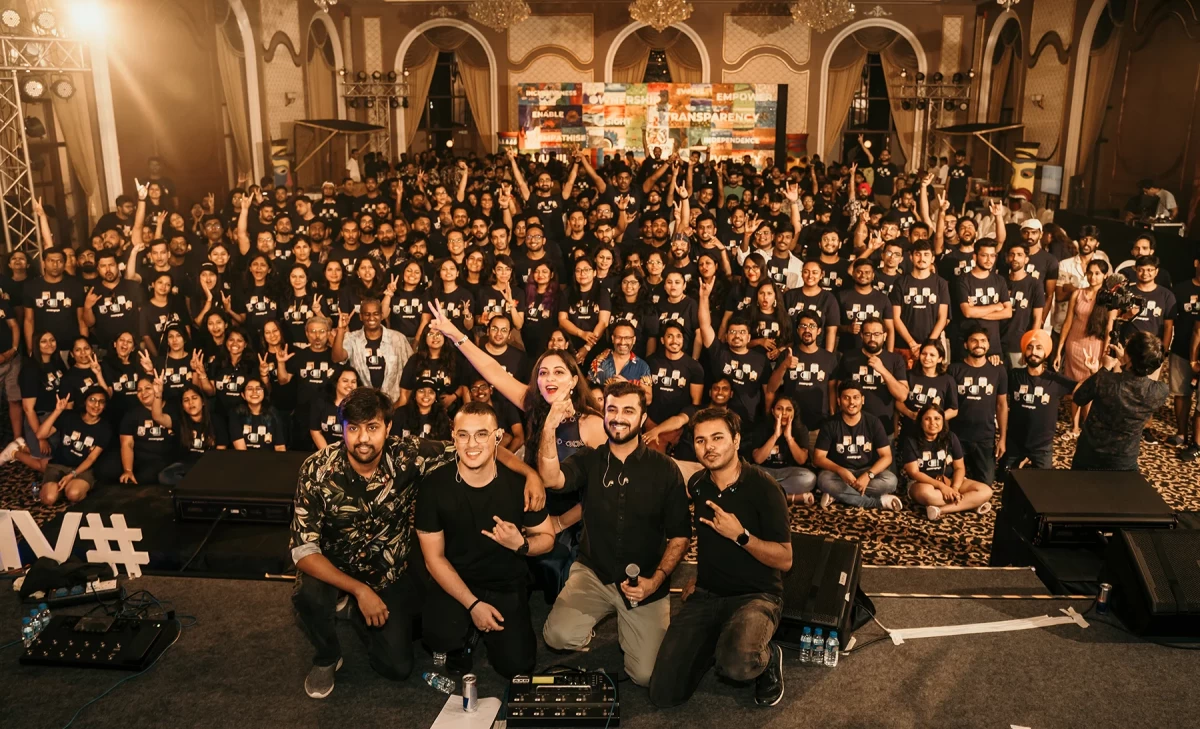
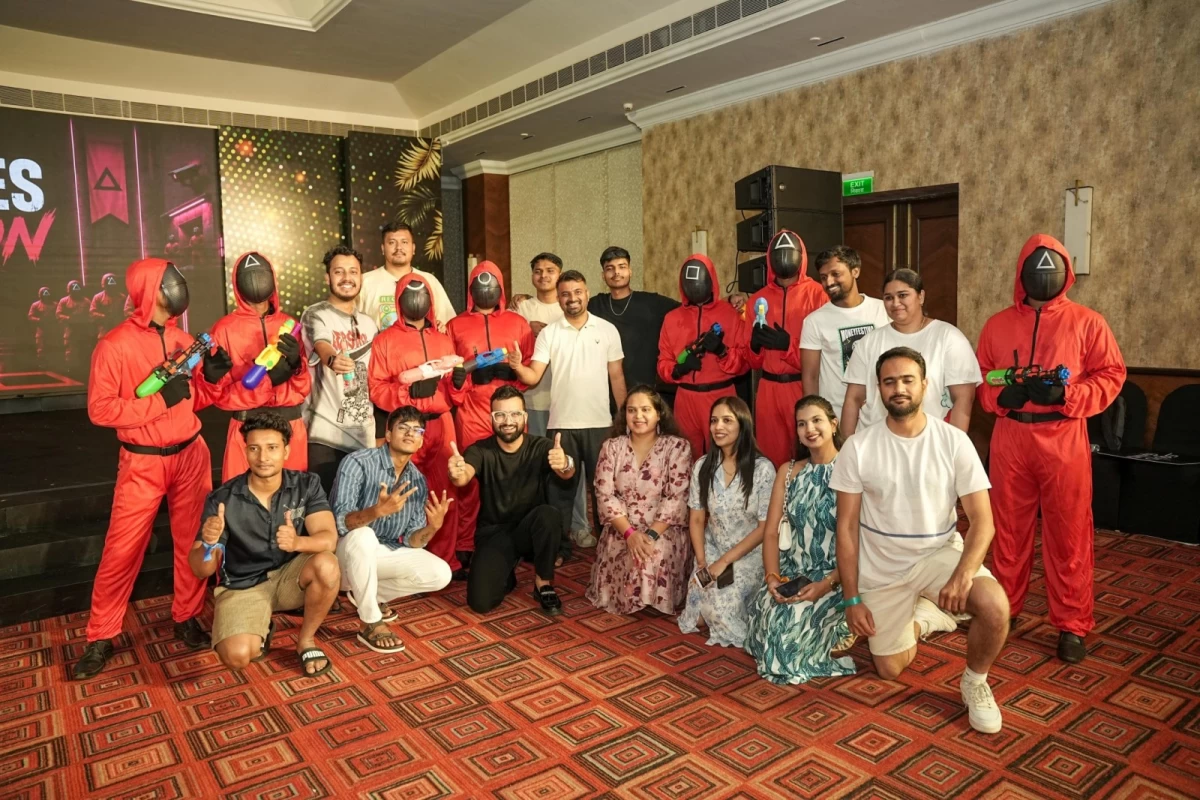
SOS Party was not a sudden pivot into the events industry. It was a natural outcome of years spent creating, experimenting, failing, and listening to the market. What started as social innovation turned into experience design. What started as passion became a commercial model.
Looking back, I realise something important.
I didn’t wake up one day and decide to join the creative economy. I didn’t chase creativity as a career. I followed the act of creating, again and again, across different forms.
Somewhere along the way, I accidentally joined the creative cult.
And honestly, I wouldn’t have it any other way.
Because creativity, when rooted in solving real problems and creating real value, is not chaotic. It is intentional. And it is deeply human.
This blog is an extension of that journey. A place to document what we build, why we build it, and what we learn along the way.
If you’re someone who didn’t plan to be here either, you’re probably in the right place.
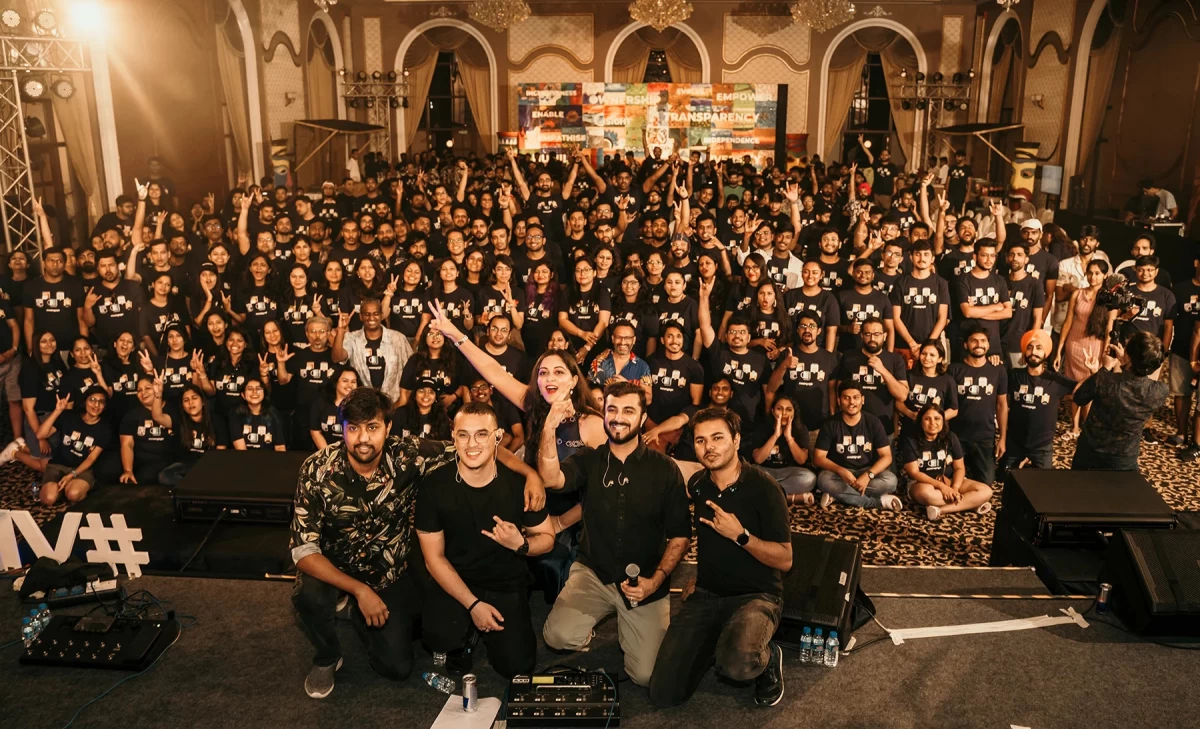
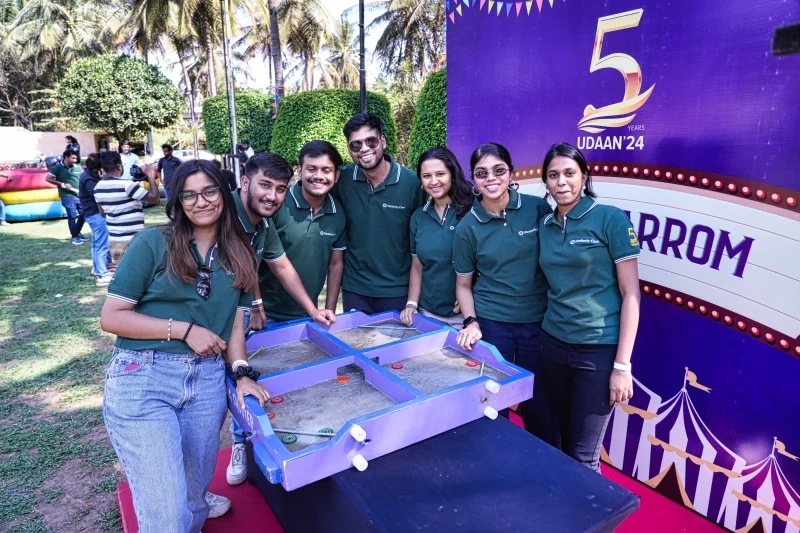



 Tailored for teams
 Hassle free booking
 Dedicated event planner