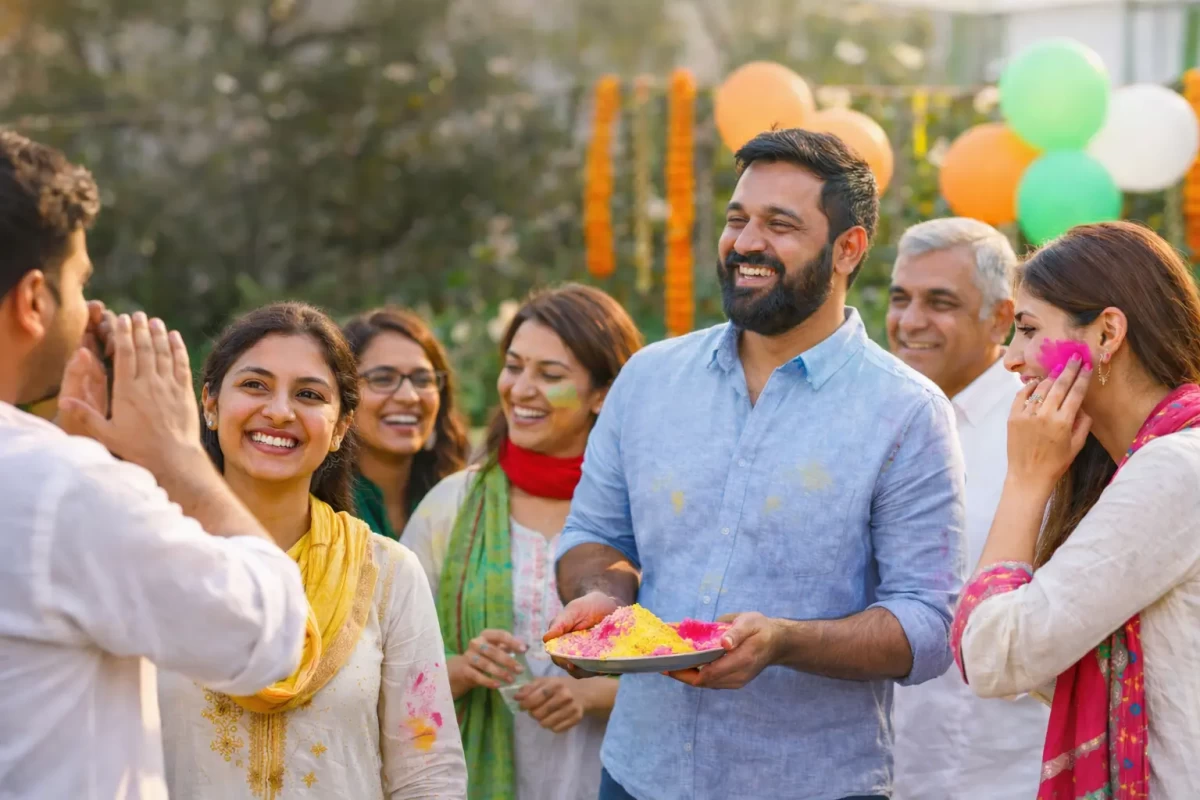


Holi is one of the few festivals that carries joy effortlessly. It breaks formality. It softens hierarchies. It reminds people that workplaces are built by humans, not job titles.
And yet, in corporate environments, Holi is also one of the easiest celebrations to get wrong.
Over the years, while working closely with HR teams and ERG leaders on Holi celebrations, I've noticed a consistent pattern. Most organisations have the right intent. Very few pause to think deeply about how that joy actually lands on different people.
That gap between intention and experience is where inclusion either happens - or quietly breaks.
This piece is not about being overly cautious. It’s about being thoughtful.
Participation Should Be an Invitation, Not an Expectation
The fastest way to drain joy from a celebration is to make it compulsory.
Not everyone is comfortable with colours.
Not everyone enjoys physical play.
Not everyone celebrates Holi the same way.
Inclusive Holi celebrations start with a simple principle: choice.
When participation is opt-in, people who choose to join do so freely. When participation is forced, even the most energetic moments begin to feel performative.
A simple internal check for HR teams is this:
If someone chooses not to participate, do they feel the need to explain themselves?
If the answer is yes, something needs rethinking.
Safety Is Not Overthinking. It Is Basic Respect.
Colours may look harmless in photographs. On skin, eyes, and clothes, they can be very real.
Skin sensitivity, allergies, eye irritation, and general discomfort are not edge cases. They are common realities. Thoughtful Holi celebrations clearly define:
-
What types of colours will be used
-
What will not be used
-
Where clean-up or wash areas are available
-
What participants can expect, without surprises
Surprises are great for entertainment. They don’t belong in matters of safety.
Alcohol Needs Clarity, Not Casualness
In many corporate Holi celebrations, alcohol is added casually in the name of fun. This is often where discomfort quietly enters the room.
If alcohol is part of the celebration, it needs structure:
-
Clear time windows
-
Clear consumption boundaries
-
Clear expectations around behaviour
If alcohol is not part of the celebration, that choice should feel normal, not restrictive.
Ambiguity creates awkwardness. Clarity creates comfort.
Cultural Sensitivity in a Diverse Workplace
Modern workplaces are diverse, global, and layered. Some employees grew up celebrating Holi every year. Some may be experiencing it for the first time. Some may connect culturally, others emotionally, and some not at all.
Inclusive Holi celebrations don’t assume familiarity.
They offer light context without over-explaining and focus on shared joy rather than cultural performance.
The goal is not to teach the festival. It is to let people experience it at their own comfort level.
Design for Parallel Participation
One of the most effective ways to make Holi inclusive is to avoid a single-format celebration.
Parallel participation creates space for different personalities and preferences.
For example:
-
Colour play zones alongside non-colour interaction spaces
-
Music, food, or creative corners running parallel to physical play
-
Social zones where people can simply be present without performing
Inclusion is rarely about finding one perfect activity. It’s about creating multiple entry points.
Leadership Sets the Tone, Quietly
Employees observe leadership behaviour closely during celebrations.
When leaders participate naturally - without over-performing or staying distant - it signals safety. When leaders respect boundaries, others feel permission to do the same.
Holi doesn’t need leaders to perform. It needs them to show up as humans.
The Question That Actually Matters After Holi
Instead of asking how colourful or energetic the celebration was, ask this:
Did people feel free to participate or opt out?
Did anyone feel uncomfortable explaining their choice?
Did the celebration leave people lighter, not drained?
If the answer is mostly yes, the celebration worked.
Where SOS Party Fits In
At SOS Party, we don’t look at Holi as a checklist celebration. We see it as an experience design problem.
Our approach goes beyond colours, music, or activities. We design Holi celebrations where joy feels safe, inclusive, and natural - especially for diverse, modern workplaces. That perspective comes from years of executing live experiences where intent matters as much as energy.
Because festivals at work are not about recreating childhood memories. They are about creating shared moments people feel comfortable being part of.
When designed thoughtfully, Holi doesn’t just look good on a feed.
It feels right in the room.
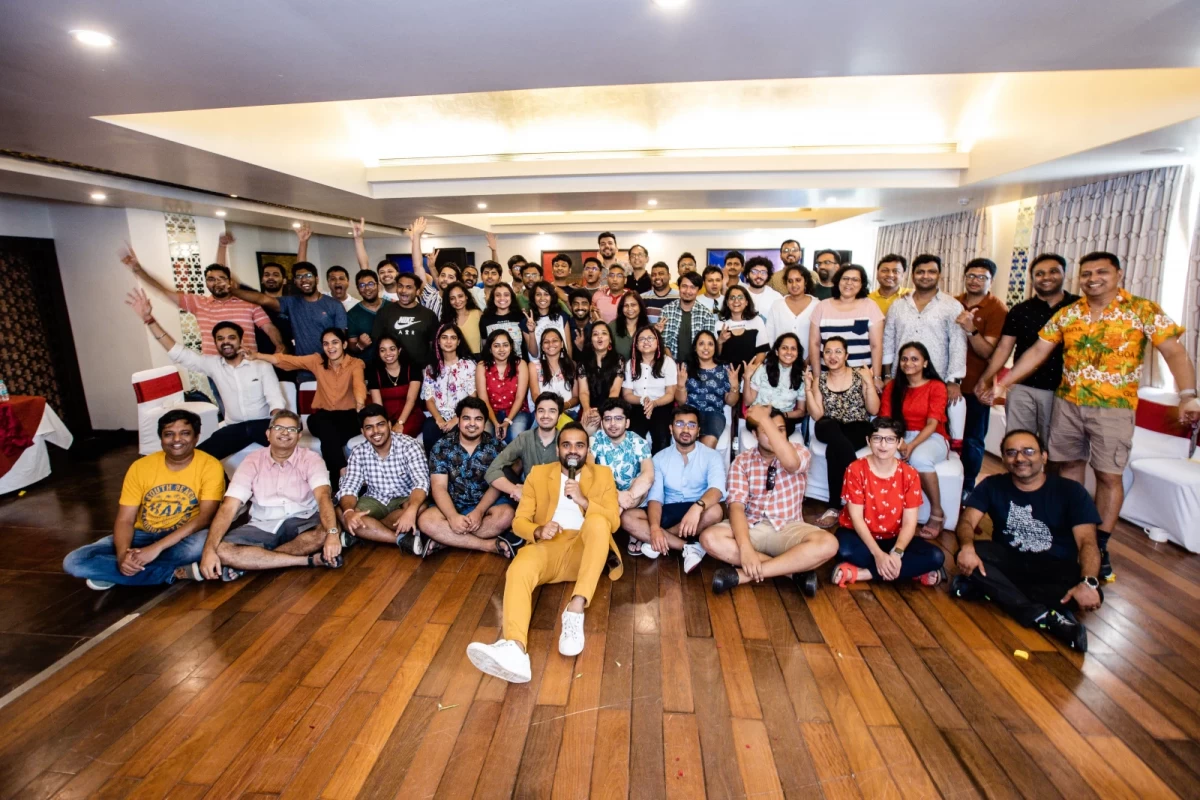
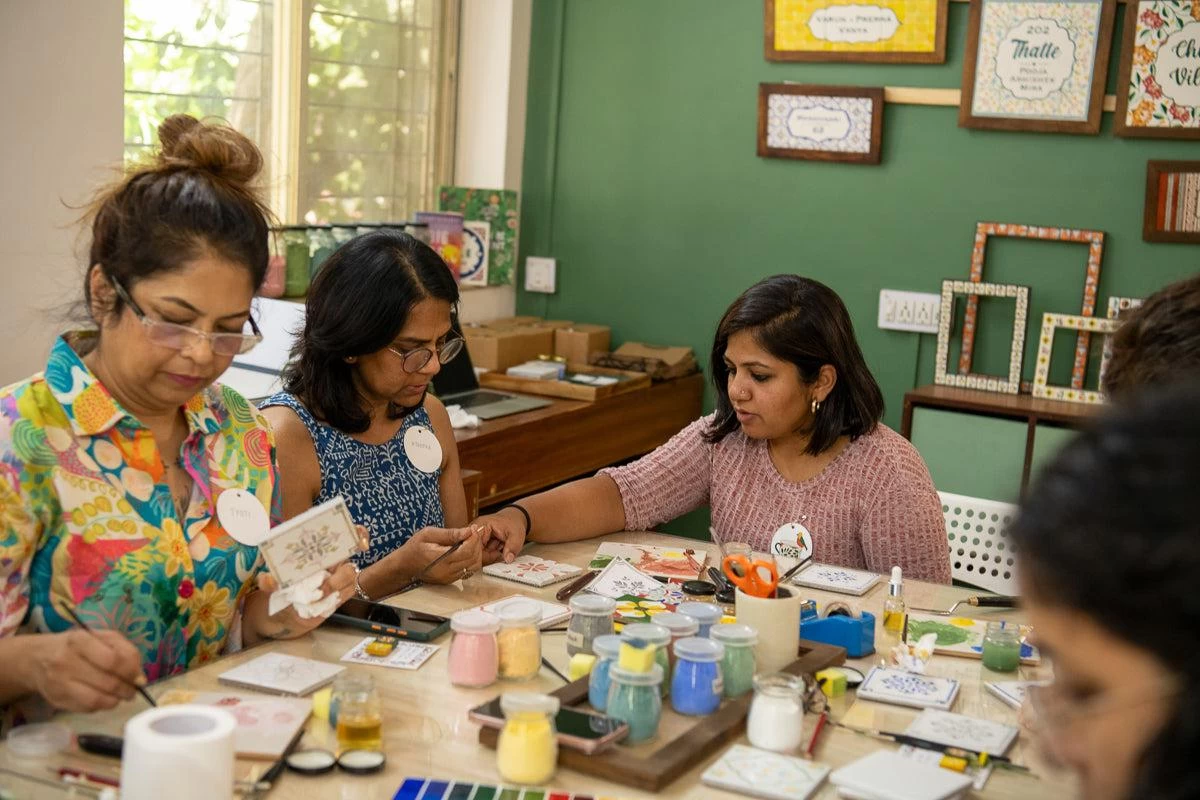





 Tailored for teams
 Hassle free booking
 Dedicated event planner