


A successful corporate event doesn't happen by chance. Behind every well-executed annual celebration, team-building day, corporate offsite, conference, or employee engagement event is a detailed plan covering dozens of small but important decisions.
For HR teams, planning a corporate event can be particularly challenging. Along with managing employees and internal responsibilities, HR professionals often have to coordinate venues, budgets, vendors, activities, travel, food, entertainment, communication, and last-minute changes.
This is why having a practical Corporate Event Planning Checklist can make a huge difference.
A good checklist gives HR teams a clear roadmap—from the first planning meeting to the final wrap-up—while ensuring that employees get an enjoyable, well-organized experience.
Whether you are organizing a 50-person team outing or a 500-person corporate celebration, here's everything you should consider before the big day.
Why Corporate Event Planning Needs a Proper Checklist
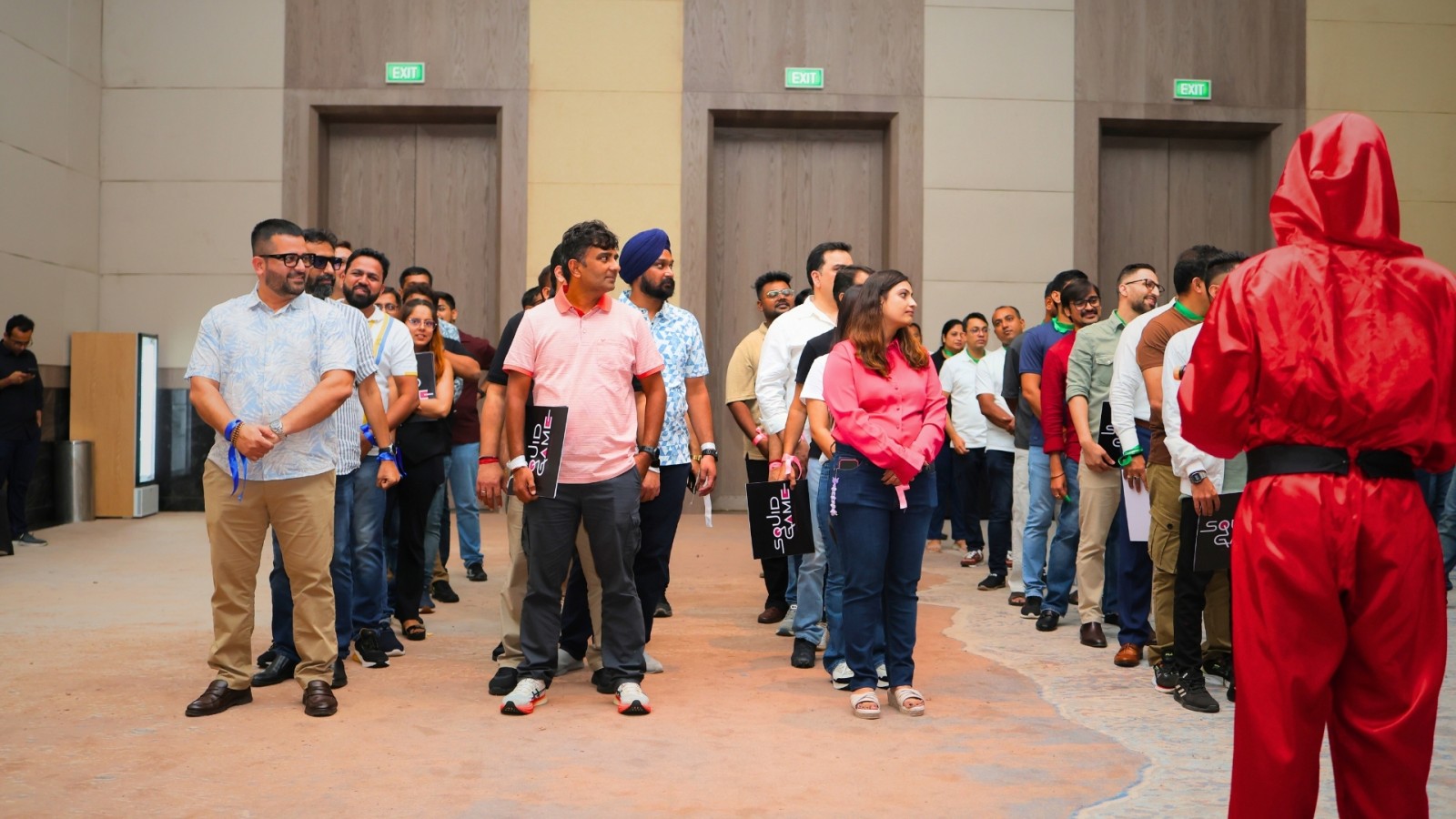
Corporate events involve multiple moving parts. A delay in transportation can affect the activity schedule. A poorly selected venue can limit participation. An unsuitable activity can leave employees disengaged. Even something as simple as forgetting dietary requirements can affect the overall experience.
A structured corporate event planning checklist helps HR teams:
-
Stay organized throughout the planning process
-
Keep the event within budget
-
Assign responsibilities clearly
-
Coordinate different vendors efficiently
-
Minimize last-minute problems
-
Improve employee participation
-
Create a smoother event experience
-
Measure the success of the event
Most importantly, it allows HR to focus on the people and purpose behind the event instead of constantly worrying about logistics.
Corporate Event Planning Checklist for HR Teams
1. Start With the Purpose of Your Event
Before discussing venues, activities, or entertainment, ask one simple question:
What do we want employees to take away from this event?
Your answer will determine almost every other planning decision.
For example:
Team bonding:
Choose collaborative challenges, Outdoor Games, problem-solving activities, and group experiences.
Employee engagement:
Focus on interactive activities, entertainment, recognition, and experiences that encourage participation.
Leadership development:
Consider workshops, leadership challenges, simulations, and problem-solving activities.
Annual celebration:
Prioritize entertainment, awards, dining, performances, décor, and employee recognition.
Corporate offsite:
Combine business sessions with recreation, team building, sightseeing, and informal networking.
Defining the objective first prevents the event from becoming a collection of unrelated activities.
2. Establish the Budget Early
Budget is one of the first things HR should finalize.
Instead of setting a single figure and trying to fit everything into it later, divide the budget into different categories.
Your planning budget may include:
-
Venue
-
Food and beverages
-
Accommodation
-
Transportation
-
Event production
-
Stage and décor
-
Branding
-
Team-building activities
-
Entertainment
-
Photography and videography
-
Gifts and awards
-
Technical equipment
-
Event staff
-
Contingency fund
Keep a contingency amount aside for unexpected expenses. Last-minute transportation changes, additional equipment, weather-related arrangements, or changes in attendance can increase costs.
A realistic budget gives your corporate event organizers a clear framework to work within.
3. Understand Your Audience
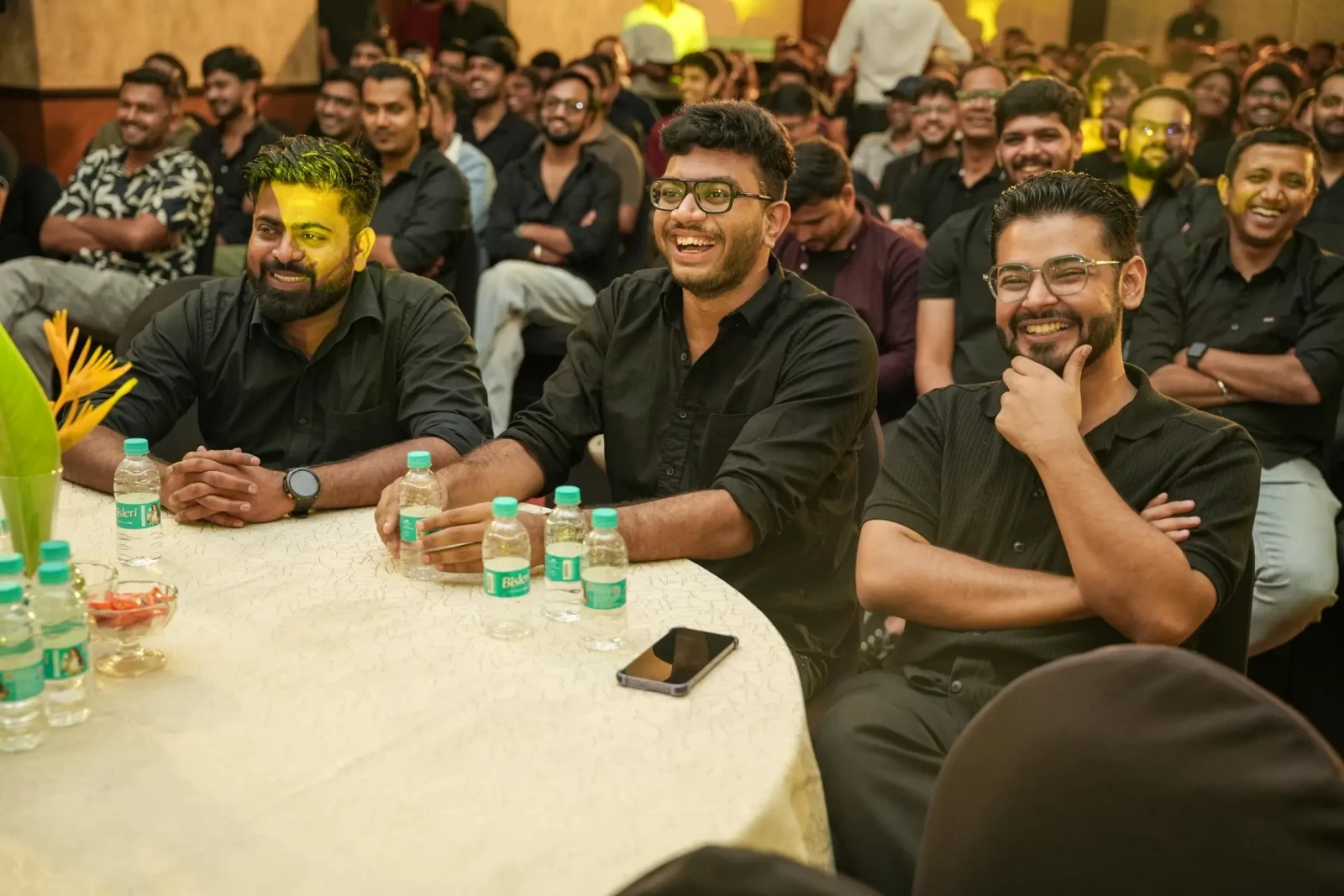
Not every activity works for every corporate audience.
Before finalizing the event format, consider:
-
Number of employees
-
Age groups
-
Team structure
-
Fitness levels
-
Senior leadership participation
-
Cultural preferences
-
Indoor/outdoor preferences
-
Accessibility requirements
-
Employee interests
For example, a highly physical activity may not be suitable for a mixed-age workforce. Similarly, a formal conference-style event may not deliver the desired engagement if employees are expecting an informal team outing.
The best corporate events are designed around the people attending them.
4. Decide the Event Format
Once you understand the objective and audience, choose the right format.
Your event could be:
One-Day Corporate Event
Ideal for employee engagement, team building, celebrations, and local outings.
Corporate Offsite
A popular option for companies looking to combine work, recreation, and team bonding away from the office.
Residential Corporate Retreat
Suitable for larger teams that need more time for workshops, networking, relaxation, and group activities.
Annual Corporate Celebration
Designed around entertainment, awards, performances, dinner, and employee recognition.
MICE Event
Useful for meetings, incentives, conferences, exhibitions, and destination-based corporate experiences.
Choosing the right format early makes the rest of the planning process much easier.
5. Choose the Right Venue
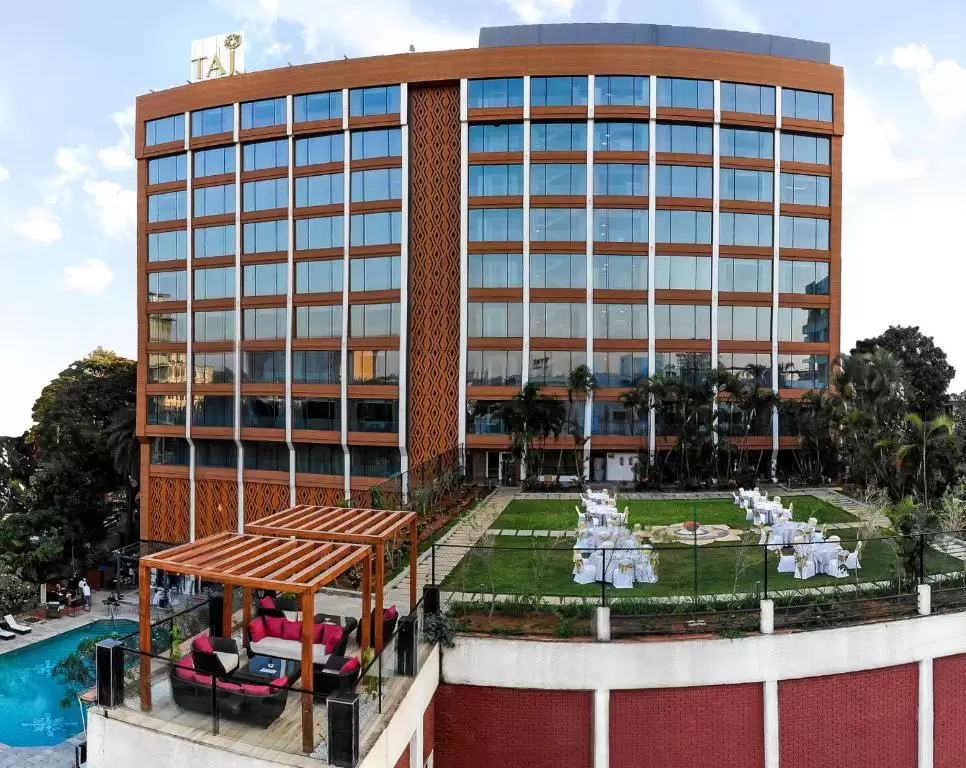
Venue selection is much more than checking photographs online.
HR teams should evaluate:
-
Location
-
Travel time
-
Capacity
-
Parking
-
Accommodation
-
Meeting rooms
-
Dining facilities
-
Indoor spaces
-
Outdoor spaces
-
Audio-visual facilities
-
Internet connectivity
-
Safety arrangements
-
Weather backup options
If you are planning team-building activities, check whether the venue has enough open space and whether outside activity vendors are permitted.
For corporate offsites, also consider the quality of rooms, recreational facilities, surrounding attractions, and accessibility.
A beautiful venue isn't necessarily the right venue. It needs to support your event objectives.
6. Build an Event Timeline
Once the venue and format are confirmed, create a detailed schedule.
A sample corporate event timeline could look like:
9:00 AM: Employee arrival and registration
9:30 AM: Welcome breakfast
10:30 AM: Opening session
11:00 AM: Team-building activities
1:00 PM: Lunch
2:00 PM: Interactive sessions
4:00 PM: Refreshments and networking
5:00 PM: Entertainment
7:00 PM: Awards and recognition
8:00 PM: Dinner
9:30 PM: Event closure
The exact schedule will depend on the event format, but maintaining a logical flow is important.
Don't pack every minute with activities. Employees also need time to relax, network, take photographs, and interact informally.
7. Select Meaningful Team-Building Activities

Activities are often one of the most memorable parts of a corporate event.
However, selecting activities simply because they are popular isn't enough.
Choose activities based on the desired outcome.
For communication, consider activities where participants need to exchange information and work together.
For collaboration, use challenges that require teams to combine different skills.
For leadership, choose activities that encourage decision-making and delegation.
For creativity, consider music, art, performance, or innovation-based challenges.
For fun and energy, outdoor games, city races, adventure challenges, and interactive entertainment can work well.
The objective should always be participation—not competition alone.
8. Plan Food and Beverage Requirements
Food can have a surprisingly large impact on employee satisfaction.
Discuss the complete menu with the venue or caterer and consider:
-
Vegetarian and non-vegetarian options
-
Regional preferences
-
Dietary restrictions
-
Allergies
-
Snacks
-
Welcome drinks
-
Lunch
-
Evening refreshments
-
Dinner
-
Tea and coffee
-
Special requirements for children or families
For longer events, make sure meals and refreshments fit naturally into the schedule rather than creating unnecessary waiting periods.
9. Manage Transportation Carefully
Transportation becomes particularly important for offsites and destination events.
Prepare a transportation plan that includes:
-
Pickup points
-
Reporting times
-
Vehicle allocation
-
Employee lists
-
Driver contact details
-
Route information
-
Emergency contacts
-
Return transportation
Share the details with employees well in advance.
For large groups, assign HR representatives or coordinators to specific vehicles so that attendance can be tracked easily.
10. Don't Forget Accommodation
If your event involves an overnight stay, accommodation needs its own planning checklist.
Confirm:
-
Number of rooms
-
Room-sharing arrangements
-
Check-in and check-out
-
Room allocation
-
Special requirements
-
Meal timings
-
Early arrivals
-
Late departures
-
Luggage storage
Prepare the rooming list before arrival to avoid confusion at reception.
11. Plan Event Branding
Event Branding plays an important role in creating a consistent and professional experience throughout your corporate event. From the entrance to the main stage and activity areas, branding elements can help reinforce your company's identity while making the event visually engaging.
Depending on the type of event, your Event Branding requirements may include:
-
Welcome boards
-
Stage backdrop
-
Directional signage
-
Branded photo zones
-
Digital screens
-
Employee badges
-
Activity branding
-
Presentation screens
-
Branded merchandise
Keep the branding consistent with the company's visual identity.
At the same time, avoid over-branding. The event should still feel enjoyable and employee-focused.
12. Create a Strong Communication Plan
Even a perfectly planned event can create confusion if employees don't receive the right information.
Send communication in stages.
Before the Event
Share:
-
Date
-
Venue
-
Reporting time
-
Dress code
-
Agenda
-
Transportation details
-
Accommodation information
-
Important contact numbers
During the Event
Use announcements, WhatsApp groups, digital screens, or event coordinators to communicate schedule changes.
After the Event
Share photographs, highlights, thank-you messages, feedback forms, and event outcomes.
Good communication keeps everyone informed and improves participation.
13. Coordinate All Vendors
Large corporate events may involve several different suppliers.
These can include:
-
Event production teams
-
Caterers
-
Decorators
-
Transportation providers
-
Activity facilitators
-
Entertainment artists
-
Photographers
-
Videographers
-
AV suppliers
-
Hotels and venues
Maintain a central vendor document with contact information, responsibilities, setup times, payment status, and emergency contacts.
This is one area where an experienced corporate event management company can provide significant value by coordinating multiple suppliers through one event plan.
14. Prepare a Risk and Contingency Plan
No matter how carefully you plan, unexpected situations can happen.
Your contingency plan should consider:
Bad weather:
Have an indoor alternative for outdoor activities.
Technical problems:
Keep backup microphones, cables, laptops, and presentation files where possible.
Transportation delays:
Maintain alternative transport contacts.
Medical emergencies:
Know the location of the nearest medical facility and keep emergency contacts available.
Vendor cancellation:
Have backup suppliers for critical requirements.
Attendance changes:
Keep some flexibility in food, seating, transportation, and activities.
Good event planning isn't about assuming nothing will go wrong. It's about being prepared when something does.
15. Assign Clear Responsibilities
One of the biggest mistakes HR teams can make is trying to manage everything themselves on the event day.
Create an event responsibility matrix.
For example:
HR Team: Employee coordination and attendance
Event Team: Overall execution
Venue Team: Food and hospitality
Activity Team: Games and team building
Production Team: Stage, sound, lighting, and technical setup
Transport Team: Vehicles and movement
Photography Team: Event coverage
Everyone should know who is responsible for what before the event begins.
16. Conduct a Final Pre-Event Check
At least a few days before the event, conduct a final review.
Use this as your last-minute corporate event planning checklist:
☐ Event objective finalized
☐ Budget approved
☐ Guest list confirmed
☐ Venue booked
☐ Menu finalized
☐ Activities confirmed
☐ Event schedule approved
☐ Vendors confirmed
☐ Transportation arranged
☐ Accommodation finalized
☐ Branding materials ready
☐ AV and production requirements confirmed
☐ Emergency contacts available
☐ Backup plan prepared
☐ HR responsibilities assigned
☐ Employee communication completed
This final review can prevent small oversights from becoming major event-day problems.
How an Experienced Corporate Event Partner Can Help
Corporate event planning can become time-consuming when HR teams have to coordinate every detail themselves.
An experienced event partner can assist with the entire process—from understanding the event objective and developing the concept to selecting venues, designing team-building activities, managing vendors, coordinating travel, handling production, and executing the event on-site.
For organizations planning corporate events in India and international destinations, professional event management can also simplify complex logistics involving multiple teams and suppliers.
This allows HR teams to spend less time managing logistics and more time engaging with employees.
Measuring the Success of Your Corporate Event
The event doesn't end when the last employee leaves.
HR teams should also evaluate whether the event achieved its intended purpose.
Collect feedback about:
-
Overall experience
-
Venue
-
Activities
-
Food
-
Entertainment
-
Event schedule
-
Transportation
-
Team engagement
-
Employee satisfaction
You can use a simple feedback form or post-event survey.
Also look beyond ratings. Ask employees what they enjoyed most, what could be improved, and what they would like to see at future events.
These insights can make your next corporate event even better.
Final Corporate Event Planning Checklist
Before giving the final go-ahead, HR should be confident that five major areas are covered:
Purpose: Why are we organizing this event?
People: Who is attending and what do they need?
Place: Does the venue support our objectives?
Program: Are the activities and schedule engaging?
Planning: Are logistics, vendors, communication, and backup arrangements ready?
If the answer to all five is yes, you're on the right track.
Final Thoughts
A memorable corporate event starts long before employees arrive at the venue. It starts with a clear objective, thoughtful planning, detailed coordination, and an understanding of what employees actually want from the experience.
From choosing the right venue and activities to managing transportation, food, branding, entertainment, and contingency plans, every detail contributes to the final experience.
For HR teams, this corporate event planning checklist can serve as a practical guide for organizing everything from employee engagement programs and team-building days to large corporate celebrations and destination offsites.
With the right planning and support from experienced corporate event organizers, companies can create events that go beyond entertainment—bringing employees together, encouraging collaboration, strengthening relationships, and creating experiences they remember long after the event is over.








 Tailored for teams
 Hassle free booking
 Dedicated event planner